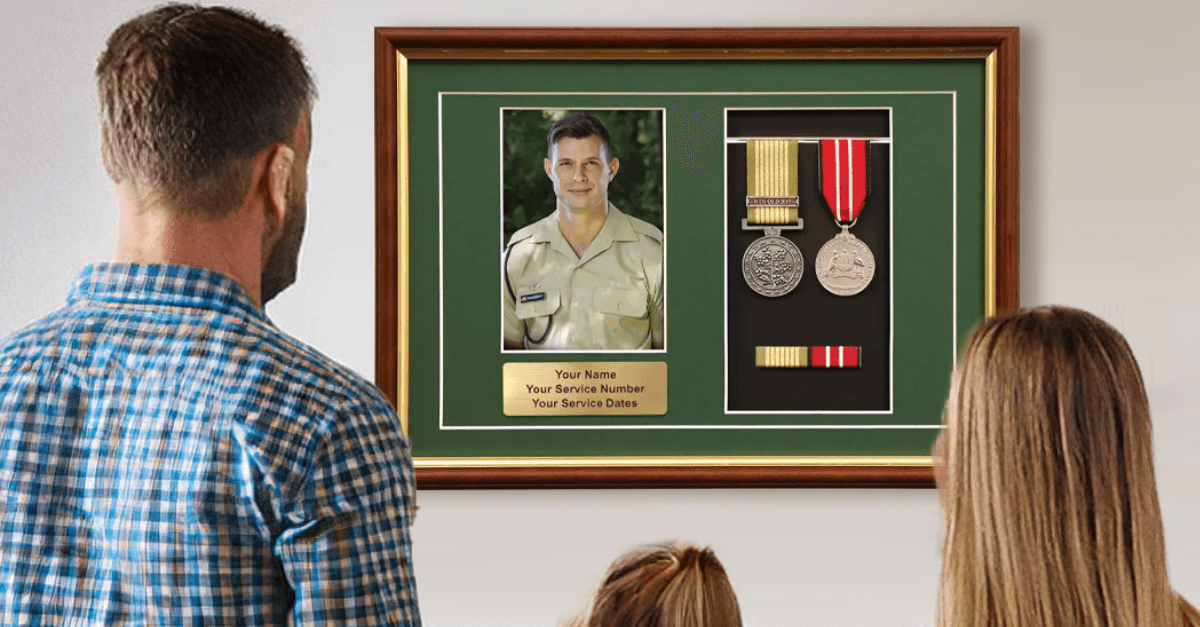
For many, military medals represent more than just service; they embody honour, sacrifice, and the indelible stories of loved ones. Preserving these precious heirlooms requires careful consideration, and that’s where expert war medal framing becomes essential. This guide will walk you through everything you need to know to ensure your medals are protected and displayed with the respect they deserve.
From understanding the importance of archival materials to choosing the right display style, we’ll cover all the key aspects of medal preservation. Thinking about showcasing your family’s history? Let’s dive in and explore how a picture frame store can help you honour their service.
Understanding the significance of war medals
War medals are more than just pieces of metal; they are tangible representations of courage, duty, and commitment. Each medal tells a story, reflecting the unique experiences and sacrifices of the individual who earned it. These stories become family legacies, passed down through generations, connecting us to our past and shaping our understanding of history.
Proper preservation ensures these stories continue to be told. When medals are neglected, they can deteriorate, losing their lustre and historical value. By taking proactive steps to protect them, we safeguard not only the physical objects but also the memories and emotions they evoke.
Why professional framing is crucial
While DIY solutions might seem tempting, professional framing offers several key advantages. A professional framer understands the delicate nature of medals and the specific environmental factors that can damage them over time. They have the knowledge and expertise to select the right materials and techniques to provide optimal protection. They also understand the importance of presentation, ensuring your medals are displayed in a way that enhances their beauty and historical significance.
Key considerations for war medal framing
Choosing the right framing options involves several important factors. From selecting archival-quality materials to considering the display style, each decision plays a role in preserving and showcasing your medals. Let’s explore the most important elements to consider.
Archival-quality materials
The materials used in framing can significantly impact the long-term preservation of your medals. Acidic materials, such as standard cardboard or low-quality paper, can cause discolouration, fading, and even physical damage to the medals. Opting for archival-quality materials, such as acid-free mat boards and UV-protective glass, is essential for preventing deterioration. These materials create a stable environment that protects your medals from harmful elements.
Choosing the right frame
The frame itself should complement the medals without overpowering them. Consider the style of the medals and the overall aesthetic you want to achieve. A simple, elegant frame in a neutral colour can provide a classic look, while a more ornate frame might be suitable for medals with intricate designs. The frame should also be sturdy enough to support the weight of the medals and provide adequate protection.
Mounting and display options
How your medals are mounted and displayed is another crucial consideration. There are several options available, each with its own advantages. Some popular methods include:
- Sewn Mounting: This involves carefully sewing the medals onto a fabric-covered mat board using archival-quality thread. This method is considered one of the most secure and non-invasive ways to mount medals.
- Floating Mount: This technique creates a sense of depth by suspending the medals between two panes of glass. This allows you to see both the front and back of the medals, providing a unique perspective.
- Shadow Box: A shadow box frame provides a deeper recess, allowing you to display medals alongside other memorabilia, such as photographs, documents, and ribbons.
The choice of mounting method will depend on the size and type of medals you have, as well as your personal preferences.
UV protection
Exposure to ultraviolet (UV) light can cause significant damage to medals over time, leading to fading, discolouration, and deterioration of materials. UV-protective glass or acrylic filters out harmful UV rays, preventing them from reaching the medals. This is particularly important if the framed medals will be displayed in an area with direct sunlight.
Sealing and environment control
Creating a sealed environment within the frame can help protect the medals from dust, moisture, and pollutants. A well-sealed frame will minimise the risk of corrosion, mould growth, and other forms of damage. It’s also important to consider the environment in which the framed medals will be displayed. Avoid placing them in areas with high humidity or temperature fluctuations, as these conditions can accelerate deterioration.
The process of professional war medal framing
Entrusting your medals to a professional framer ensures they receive the care and attention they deserve. But what does the process actually involve? Let’s take a closer look.
Consultation and assessment
The first step is a consultation with the framer. This is an opportunity to discuss your goals, preferences, and any specific concerns you may have. The framer will assess the medals, taking into account their size, condition, and historical significance. They will then provide recommendations on the best framing options to meet your needs.
Material selection and design
Based on the consultation, the framer will select the appropriate materials, including the frame, mat board, glass, and mounting hardware. They will also work with you to design the layout and overall aesthetic of the framed display. This may involve experimenting with different mat colours, frame styles, and mounting arrangements to find the perfect combination.
Careful handling and mounting
Once the design is finalised, the framer will carefully handle and mount the medals. This requires a high level of skill and attention to detail. The medals will be cleaned and prepared for mounting, ensuring they are free from dust and debris. The framer will then use the chosen mounting method to securely attach the medals to the mat board, taking care to avoid any damage.
Assembly and finishing
With the medals mounted, the framer will assemble the frame, ensuring a tight and secure fit. The UV-protective glass will be carefully installed, and the frame will be sealed to protect against dust and moisture. The finished product will then be inspected to ensure it meets the highest standards of quality.
Maintaining your framed war medals
Once your medals are professionally framed, it’s important to take steps to maintain their condition. Proper care and maintenance will help ensure they remain in pristine condition for generations to come. Here are some tips to keep in mind.
Regular cleaning
Dust can accumulate on the surface of the glass over time, reducing visibility. Use a soft, lint-free cloth to gently wipe the glass clean. Avoid using harsh chemicals or abrasive cleaners, as these can damage the glass or frame. For stubborn stains, a slightly damp cloth can be used, but be sure to dry the glass thoroughly afterwards.
Avoiding direct sunlight and humidity
As mentioned earlier, direct sunlight and high humidity can be detrimental to medals. Avoid displaying framed medals in areas where they will be exposed to these conditions. If necessary, use curtains or blinds to block out direct sunlight. Consider using a dehumidifier in areas with high humidity.
Periodic inspection
Regularly inspect the framed medals for any signs of damage or deterioration. Look for cracks in the glass, loose mounting hardware, or any discolouration or corrosion on the medals themselves. If you notice any problems, contact a professional framer for assistance.
Finding the right picture frame store
Choosing the right framer is essential for ensuring your medals are properly preserved and displayed. Look for a picture frame store with experience in framing military memorabilia and a commitment to using archival-quality materials. Ask about their qualifications, experience, and the techniques they use. A reputable framer will be happy to answer your questions and provide references.
Consider visiting several framers to compare their services and prices. Get a written quote that includes a detailed breakdown of the materials and labour costs. By doing your research and choosing wisely, you can ensure your medals are in good hands.
Honouring a legacy through war medal framing
In conclusion, war medal framing is a meaningful way to preserve and honour the sacrifices of those who have served. By understanding the importance of archival materials, choosing the right display style, and entrusting your medals to a professional framer, you can ensure they remain a treasured part of your family’s history for generations to come. Take the time to research your options, ask questions, and choose a framing solution that reflects the significance of these precious heirlooms.
Frequently asked questions
What if my medals are already damaged?
A professional framer can assess the damage and recommend appropriate conservation measures. This may involve cleaning, stabilising, or repairing the medals to prevent further deterioration.
Can I include other items in the frame?
Yes, shadow box framing allows you to display medals alongside photographs, documents, ribbons, and other memorabilia. This can create a more comprehensive and meaningful display.
How much does war medal framing cost?
The cost of framing will vary depending on the size and complexity of the project, as well as the materials used. Get a written quote from several framers to compare prices.
How long does the framing process take?
The framing process can take anywhere from a few days to several weeks, depending on the framer’s workload and the complexity of the project. Be sure to discuss the timeline with the framer before starting the project.
What if I move? How should I transport framed medals?
When moving framed medals, wrap them carefully in bubble wrap and pack them in a sturdy box. Avoid placing heavy objects on top of the box. If possible, transport the framed medals in the passenger compartment of your vehicle, rather than in the cargo area.