Keeping floors spotless and well-maintained is essential for both aesthetics and safety. Professional floor care goes far beyond surface cleaning—it blends technique, equipment knowledge, and routine maintenance strategies to prolong the life of every flooring type. Whether in commercial facilities, hospitality environments, or residential spaces, mastering this craft ensures durability, hygiene, and consistent shine.
Understanding the Importance of Professional Floor Care
Flooring is one of the most heavily used components of any building. Without proper care, wear shows quickly. Clean, well-maintained floors provide several advantages:
-
Enhanced appearance that contributes to a positive impression
-
Reduced safety risks from slips, spills, and uneven surfaces
-
Extended lifespan that protects the investment in quality flooring
-
Improved hygiene, particularly in high-traffic and shared environments
Professional maintenance addresses issues at both surface and deep levels to ensure long-term protection.
Key Components of Professional Floor Cleaning
1. Surface Preparation
Before any deep cleaning begins, professionals start with thorough preparation:
-
Removing debris and dust using microfiber tools or commercial vacuums
-
Identifying problem areas such as stains, scratches, or buildup
-
Clearing obstacles to allow full access to the floor space
Proper preparation helps ensure that cleaning solutions and machines work effectively.
2. The Right Tools and Equipment
Professional results depend heavily on using the correct equipment. Common tools include:
-
Auto scrubbers for large commercial areas
-
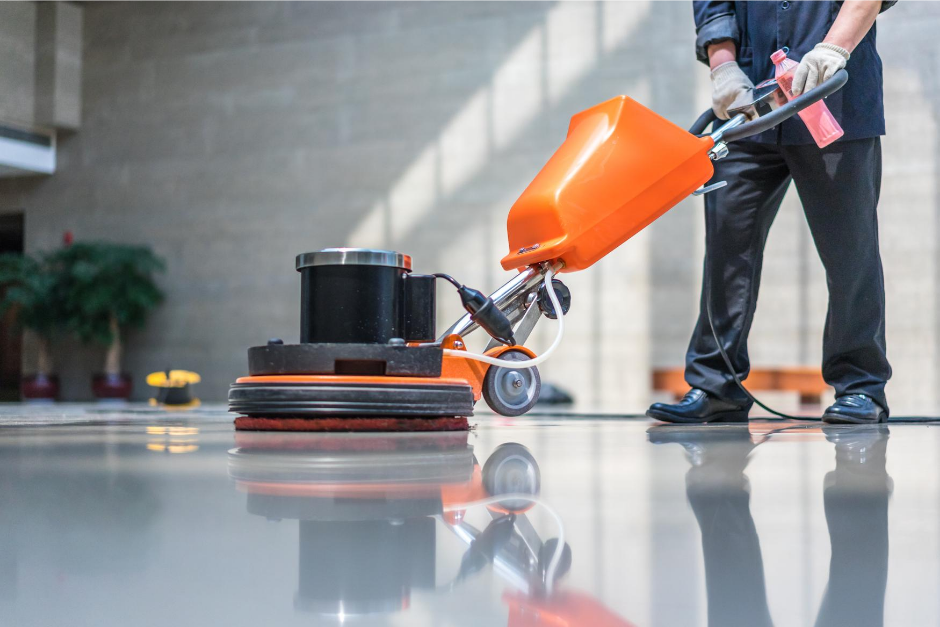
Floor buffers and burnishers to restore shine
-
Wet/dry vacuums for versatile cleanup needs
-
Steam cleaners for sanitizing certain surfaces
Using the wrong tool risks damaging flooring, while the right tool enhances efficiency.
3. Flooring-Type Specific Techniques
Different surfaces demand specialized care:
Hardwood Floors
-
Use pH-balanced cleaners to avoid stripping finishes
-
Avoid excessive moisture
-
Apply periodic waxing or resealing
Tile and Grout
-
High-pressure or steam cleaning to remove deep-set dirt
-
Grout sealing to prevent discoloration
Vinyl and Laminate
-
Mild cleaning agents to protect the top wear layer
-
Buffing or polishing as recommended by manufacturers
Carpets and Rugs
-
Hot water extraction for deep cleaning
-
Spot treatments for stains
-
Regular grooming to maintain fiber structure
Professional cleaning tailors methods to preserve each material’s integrity.
Advanced Maintenance Practices
Scheduled Deep Cleaning
Routine sweeping and mopping are not enough. Deep cleaning removes embedded dirt and prevents deterioration. Professionals often design custom schedules based on:
-
Foot traffic volume
-
Flooring type
-
Environmental conditions
Protective Treatments
To maintain long-term durability, protective coatings are frequently applied:
-
Sealers for stone and grout
-
Polishes and finishes for vinyl and wood
-
Anti-slip treatments for safety-sensitive areas
These treatments shield floors from scratches, spills, and wear.
Preventive Maintenance Strategies
Beyond cleaning, professionals focus on prevention:
-
Using entry mats to reduce debris
-
Implementing “no-shoe” zones in specific environments
-
Regular inspections to identify early signs of damage
Through prevention, facilities can significantly reduce repair costs.
The Professional Touch: Why Expertise Matters
Professionals bring technical knowledge, certification, and hands-on skill. Their expertise includes:
-
Identifying the safest and most effective chemical solutions
-
Adjusting cleaning methods based on flooring condition
-
Using machinery with precision to avoid damage
-
Ensuring compliance with hygiene and safety standards
This level of skill ensures that floors not only look clean but remain structurally sound for years.
FAQs
1. How often should professional floor cleaning be scheduled?
Frequency depends on traffic levels and flooring type, but commercial spaces typically benefit from monthly deep cleaning.
2. Can harsh chemicals damage certain floors?
Yes. Many surfaces, especially hardwood and natural stone, require pH-neutral or specialized cleaners.
3. What is the difference between buffing and burnishing?
Buffing restores shine at lower speeds, while burnishing uses high-speed equipment for a glossy, polished finish.
4. Do protective coatings really make a difference?
They significantly extend floor life by reducing wear, preventing stains, and enhancing appearance.
5. Why is grout so difficult to keep clean?
Grout is porous, allowing dirt and moisture to penetrate. Sealing helps minimize staining.
6. Are steam cleaners safe for all flooring types?
No. Excessive heat and moisture can damage hardwood, laminate, and some vinyl floors.
7. How can businesses reduce long-term floor maintenance costs?
Implementing preventive measures—like mats, regular sweeping, and routine inspections—can reduce heavy-duty cleaning and repair needs.