Hard water stains form when water with high mineral content evaporates and leaves behind calcium, magnesium, and other deposits. These white, cloudy, or chalky marks cling to surfaces like glass, tile, porcelain, and metal. Over time, untreated buildup becomes harder to remove and can even cause etching or discoloration.
Why Professional Removal Delivers Better Results
Home remedies can help with mild stains, but professionals are equipped to tackle severe mineral buildup quickly and safely. Their advantage lies in stronger products, extensive training, and specialized equipment designed for mineral removal.
What Makes Professional Cleaning More Effective
-
High-strength descalers specifically formulated for heavy deposits
-
Tools designed to prevent scratching while removing stubborn buildup
-
Knowledge of surface sensitivity to avoid damage
-
Protective sealants applied afterward to slow future staining
How Professionals Remove Hard Water Stains
1. Detailed Surface Inspection
Before cleaning begins, technicians evaluate the type of material and severity of the buildup. This helps determine the right chemical strength and tool selection. A mismatched method—like using the wrong acid on stone—can cause permanent damage, so assessment is critical.
2. Application of Commercial-Grade Descalers
Professional cleaners use powerful, controlled formulations that break down mineral deposits efficiently. These solutions work faster and deeper than standard store-bought products while remaining safe when used correctly.
Common Professional-Grade Cleaners Used
-
Buffered acidic solutions
-
Lime and scale removers
-
Non-abrasive mineral dissolvers
These agents penetrate mineral buildup, softening it enough for removal without heavy scrubbing.
3. Specialized Mechanical Tools
Removing tough stains often requires more than chemicals. Professionals use purpose-built tools to lift deposits and restore clarity.
Tools Frequently Used
-
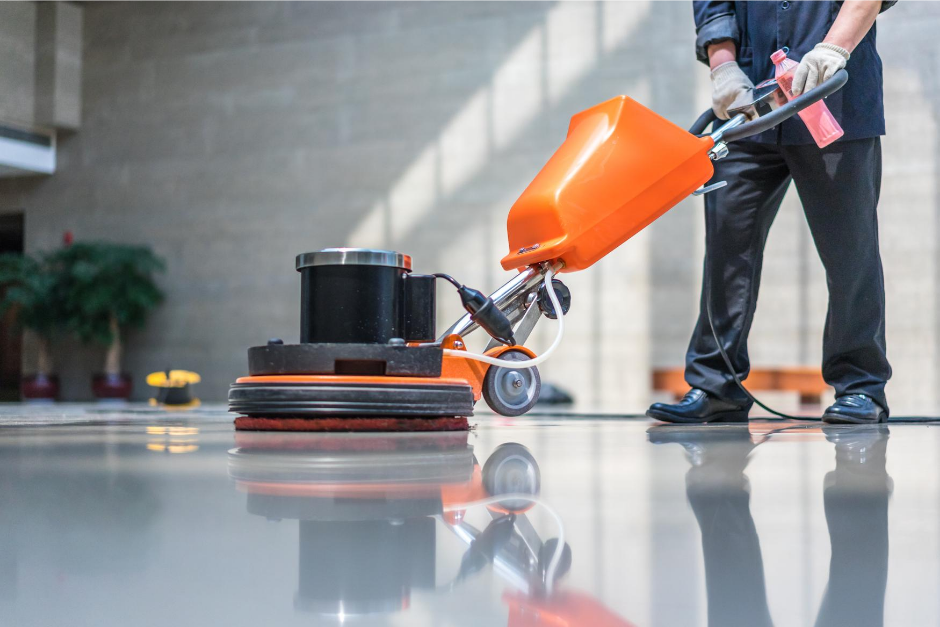
Rotary polishing machines for glass doors and tiles
-
Steam cleaners that open pores in mineral deposits
-
Microfine abrasive pads that lift buildup without scratching surfaces
-
Precision scrapers for thick or aged limescale
These tools allow for efficient stain removal while protecting delicate finishes.
4. Heat and Steam Treatment
Heat is one of the most effective ways to loosen hard water deposits. Steam expands the mineral layers, allowing descalers to penetrate more effectively. This method is especially useful for shower glass, faucets, and grout lines.
5. Rinsing, Polishing, and Final Treatment
Once deposits are removed, professionals rinse surfaces thoroughly to prevent chemical residue. Many services finish by applying:
-
Water repellents
-
Surface sealants
-
Protective coatings
These additions help prevent future mineral buildup and keep surfaces cleaner for longer.
Benefits of Hiring Professional Services
Superior and Lasting Results
Professionals deliver a deeper clean with long-term protection, making surfaces sparkle like new.
Protection Against Damage
Incorrect DIY methods can cause scratching, corrosion, or etching. Professionals know which solutions work safely on each material.
Time and Effort Savings
Severe hard water stains can take hours to remove manually. Professional tools and techniques cut this time drastically.
Health and Safety
Strong chemicals require proper handling. Professional services ensure safe usage and ventilation while preventing accidental damage.
FAQ
1. How long does professional hard water stain removal take?
Most jobs take between 30 minutes and a few hours depending on the severity and number of surfaces involved.
2. Will professionals remove stains from older, etched glass?
They can remove mineral deposits, but glass etching is permanent. In such cases, polishing can improve clarity, but full restoration may not be possible.
3. Are professional cleaners safe for delicate surfaces like natural stone?
Yes. Experts select solutions specifically formulated for stone-safe cleaning to avoid etching or discoloration.
4. How often should I schedule professional stain removal?
For areas with very hard water, a cleaning every 3–6 months helps prevent heavy buildup.
5. Do protective coatings really help reduce future stains?
Absolutely. Sealants and hydrophobic coatings make surfaces resistant to mineral adhesion, prolonging cleanliness.
6. Can professional services remove stains from metal fixtures?
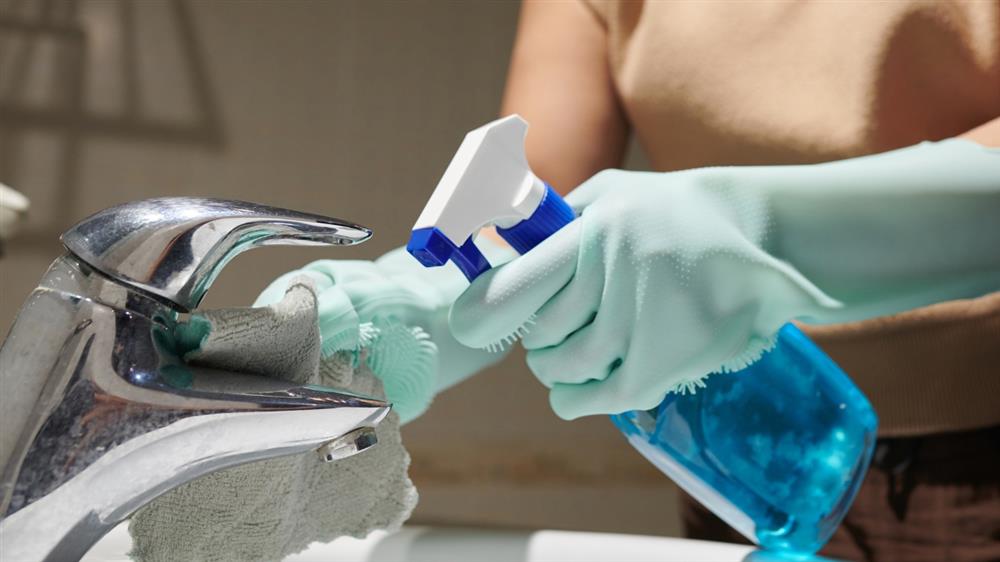
Yes. They use non-corrosive agents that dissolve mineral buildup without damaging chrome, stainless steel, or brushed finishes.
7. Is the process safe for households with pets or children?
Professionals follow strict safety protocols and ensure all residues are rinsed away, leaving surfaces safe after treatment.