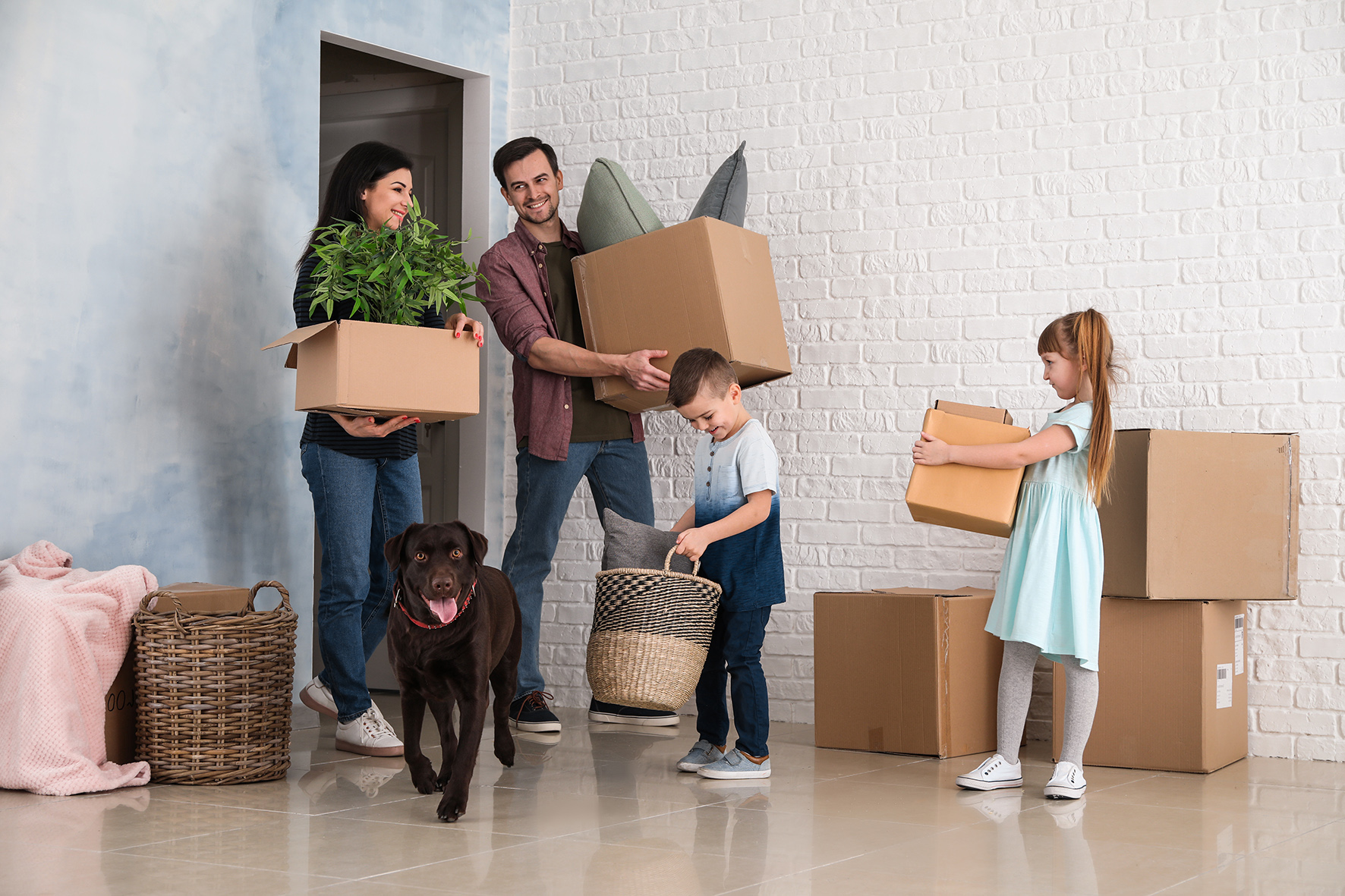
Moving doesn’t have to feel overwhelming. With a structured, room-by-room approach, you can protect your belongings, save time, and reduce stress on moving day. This practical guide walks you through packing each space in your home, plus how to choose the right home moving company to support a smooth transition.
Before You Start Packing
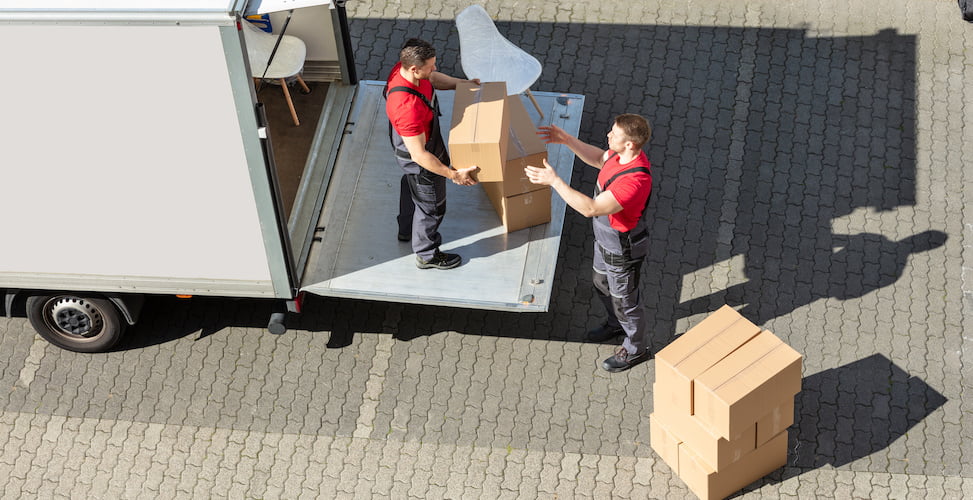
Hiring a professional moving company provides peace of mind during relocation. Skilled movers handle heavy furniture, fragile items, and logistics with precision. From planning to final placement, their organized approach minimizes risks, reduces downtime, and helps individuals and businesses transition smoothly to new locations.
Preparation sets the tone for a successful move. Start early and pack strategically rather than rushing at the last minute.
Essential packing supplies
- Sturdy boxes in multiple sizes
- Packing tape and a tape dispenser
- Bubble wrap and packing paper
- Stretch wrap for furniture
- Permanent markers and labels
Smart pre-packing tips
- Declutter first and donate or discard unused items
- Pack non-essentials weeks in advance
- Label boxes by room and contents
- Keep a personal essentials box for moving day
Packing the Living Room
The living room often contains bulky and fragile items that need extra care.
How to pack efficiently
- Wrap electronics in bubble wrap and pack them upright
- Remove batteries from remotes and devices
- Cover furniture with moving blankets
- Bundle cables in labeled zip bags
Pro tip: Photograph cable setups before disconnecting to make reassembly easier.
Packing the Kitchen
Kitchens take time, so tackle this room early.
Kitchen packing checklist
- Wrap dishes individually with packing paper
- Use dish packs or double-walled boxes for fragile items
- Seal liquids with plastic wrap under the cap
- Pack small appliances in original boxes if available
Avoid packing perishable food unless your move is local and same-day.
Packing Bedrooms
Bedrooms are usually straightforward, making them ideal confidence boosters.
Best practices
- Leave clothes on hangers and group them in wardrobe boxes
- Use suitcases for shoes and folded clothing
- Pack jewelry in padded cases or small containers
- Place mattress covers on beds
Label boxes clearly so you can set up beds first after moving in.
Packing Bathrooms
Bathrooms contain many small items that can spill or break.
Bathroom packing tips
- Dispose of nearly empty toiletries
- Seal bottles with tape or plastic wrap
- Pack medicines separately and carry them with you
- Wrap mirrors and glass shelves carefully
Keep daily-use items accessible until the last day.
Packing the Home Office
Office equipment often contains sensitive data and fragile electronics.
What to do
- Back up files before packing
- Wrap monitors with bubble wrap
- Pack documents in waterproof folders
- Label cords and accessories clearly
Transport important paperwork yourself whenever possible.
Packing the Garage and Storage Areas
Garages usually hold heavy, awkward, or hazardous items.
Safety-focused approach
- Drain fuel from tools and equipment
- Pack tools in small, reinforced boxes
- Clearly label sharp or heavy items
- Avoid packing flammable materials
Check local regulations for transporting chemicals and paints.
How to Choose the Right Home Moving Company
Even the best packing plan benefits from professional help. Choosing the right mover protects your belongings and your peace of mind.
Key factors to consider
- Licensing and insurance to ensure legitimacy
- Transparent pricing with written estimates
- Positive reviews and local reputation
- Clear policies on damage and delays
- Experience with homes similar to yours
Request in-home or virtual surveys for the most accurate quotes.
Final Packing Day Tips
- Confirm moving-day logistics with your mover
- Keep valuables, documents, and essentials with you
- Do a final walk-through of every room
- Leave labeled boxes in the rooms they belong to
Staying organized until the last moment makes unpacking far easier.
Frequently Asked Questions
How far in advance should I start packing for a home move?
Ideally, begin packing 6–8 weeks before moving day, starting with items you rarely use.
What items should I never pack in a moving truck?
Avoid packing valuables, important documents, medications, flammable items, and perishable food.
Is it better to pack myself or hire professional packers?
Self-packing saves money, while professional packing saves time and reduces the risk of damage.
How can I protect fragile items during a move?
Use quality packing materials, double-box delicate items, and label boxes as fragile.
Should I label boxes by room or by item type?
Label primarily by room, with a brief content description for clarity.
How do I reduce moving costs without sacrificing safety?
Declutter before moving, pack early, and compare multiple moving quotes.
What should I unpack first in my new home?
Start with essentials, kitchen basics, and bedrooms to restore daily routines quickly.
A thoughtful packing strategy combined with the right moving company ensures your home move is organized, efficient, and far less stressful.