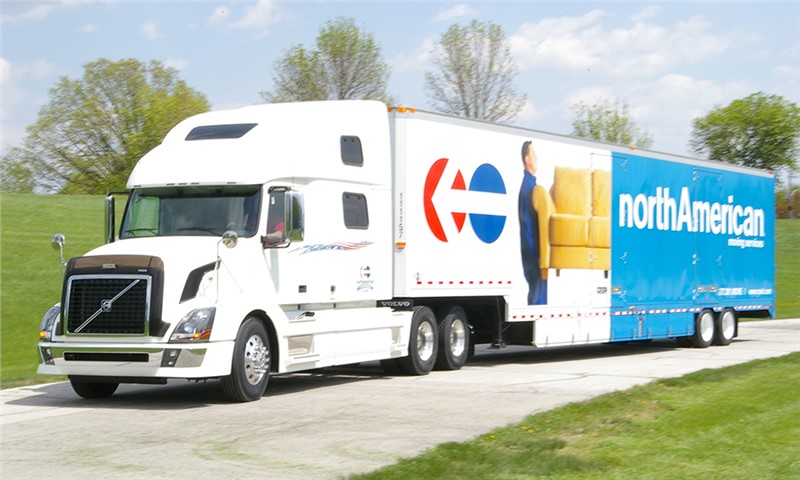
Relocating across state lines or to a distant city is a complex process that requires careful coordination, specialized equipment, and experienced professionals. Long-distance moving companies are structured to manage these challenges efficiently, ensuring belongings arrive safely, on time, and within budget. Understanding how they operate can help you plan better and avoid costly surprises.
Initial Consultation and Accurate Estimates
The process typically begins with a detailed assessment of your move. Reputable movers gather information about distance, home size, access points, and special items to provide a realistic quote.
Key elements evaluated include:
-
Total weight or volume of belongings
-
Pick-up and delivery locations
-
Required packing services
-
Storage needs and delivery timelines
Many companies now offer virtual surveys, allowing for faster and more accurate estimates without an in-person visit.
Customized Moving Plans
No two long-distance relocations are identical. Moving companies design customized moving plans based on your schedule, budget, and household needs.
These plans often cover:
-
Flexible pickup and delivery windows
-
Consolidated or exclusive truck options
-
Partial or full packing services
-
Temporary or long-term storage solutions
This tailored approach reduces delays and helps protect fragile or high-value items.
Professional Packing and Inventory Management
Packing is one of the most critical stages of a long-distance move. Movers use industry-grade materials and proven techniques to secure items for extended transit.
Common packing practices include:
-
Double-walled boxes for heavy items
-
Custom crating for artwork, antiques, and electronics
-
Protective padding for furniture and appliances
-
Detailed labeling and room-by-room inventory tracking
An inventory list ensures accountability and makes unloading at the destination more efficient.
Transportation and Logistics Coordination
Long-distance movers rely on advanced logistics systems to manage interstate travel. Trucks are routed strategically to minimize delays and comply with transportation regulations.
During transit, companies focus on:
-
Fuel-efficient and safe route planning
-
Driver compliance with federal hours-of-service rules
-
Regular status updates for customers
-
Secure loading to prevent shifting and damage
Some movers use GPS tracking, allowing customers to stay informed throughout the journey.
Storage and Flexible Delivery Options
If your new home is not ready upon arrival, movers can store your belongings securely. Storage facilities are climate-controlled and monitored to protect items during short or extended stays.
Delivery options may include:
-
Direct delivery on a scheduled date
-
Temporary storage with later delivery
-
Phased delivery for large or complex relocations
This flexibility is especially helpful during cross-country or international transitions.
Insurance Coverage and Liability Protection
Professional moving companies provide valuation options to protect your belongings. These options define how claims are handled if items are lost or damaged.
Typical coverage types include:
-
Released value protection (basic coverage)
-
Full value protection for higher reimbursement
-
Third-party insurance for high-value shipments
Understanding coverage terms before moving day ensures peace of mind throughout the relocation.
Final Delivery and Unpacking Services
Upon arrival, movers carefully unload items according to the inventory list. Some companies also offer unpacking and debris removal, helping you settle in faster.
Final steps often involve:
-
Condition checks against inventory records
-
Furniture reassembly
-
Placement of boxes in designated rooms
-
Removal of packing materials
This organized approach reduces post-move stress and speeds up the transition into your new space.
FAQs About Long-Distance Moving Services
1. How far in advance should I book a long-distance moving company?
Booking at least 6–8 weeks in advance is recommended, especially during peak moving seasons.
2. Are long-distance moving quotes binding or non-binding?
Quotes can be binding, non-binding, or not-to-exceed. Always clarify the estimate type before signing.
3. Can movers transport vehicles along with household goods?
Many long-distance movers offer vehicle transport services or coordinate with auto carriers.
4. What items are prohibited in long-distance moves?
Hazardous materials, perishables, and certain valuables are typically not allowed on moving trucks.
5. How is the delivery window determined for long-distance moves?
Delivery windows are based on distance, route schedules, and whether shipments are consolidated.
6. Do movers handle interstate regulations and permits?
Yes, licensed long-distance movers manage compliance with interstate transport regulations.
7. What should I do if my items arrive damaged?
Document the damage immediately, note it on delivery paperwork, and file a claim within the specified timeframe.