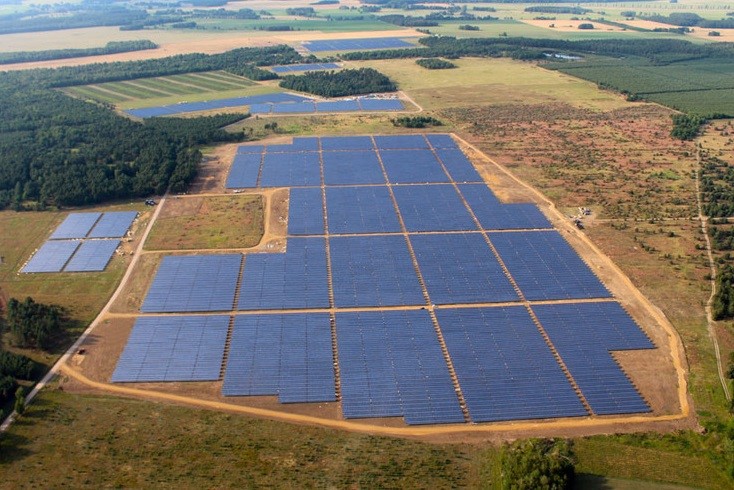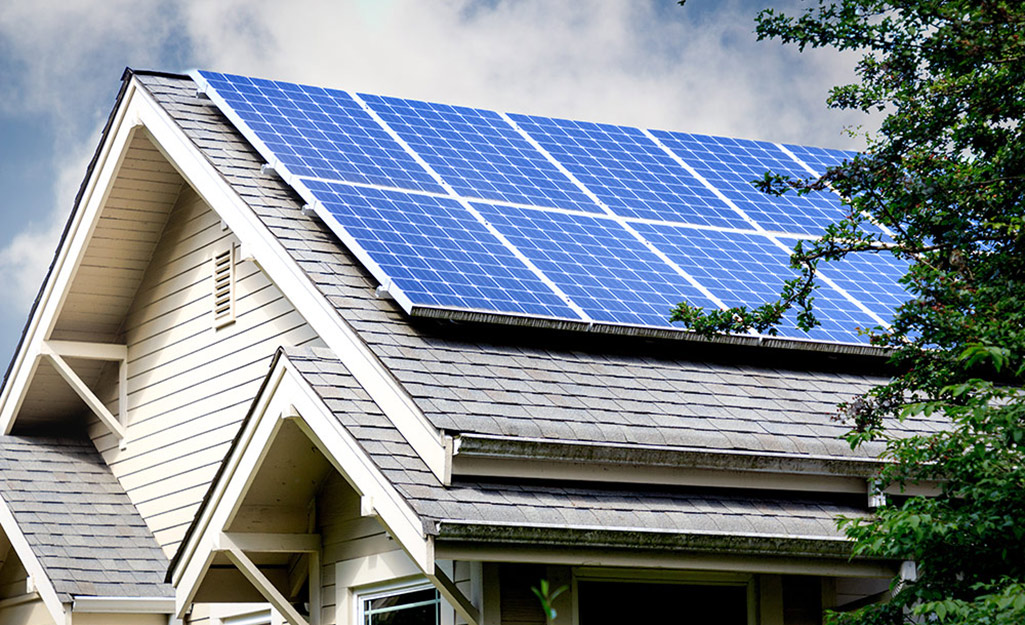
Solar energy has moved from a niche technology to a mainstream power source in homes, businesses, and utility-scale projects. By converting sunlight into usable electricity or heat, solar power offers a cleaner alternative to fossil fuels while delivering long-term savings and energy independence.
What Is Solar Energy?
Solar energy is power derived from sunlight. It is captured using technologies that convert solar radiation into electricity or thermal energy. The most common approach today uses photovoltaic (PV) cells, which generate electricity when exposed to light.
Key characteristics of solar energy include:
-
Renewable and abundant: Sunlight is available every day across the globe.
-
Low emissions: Produces electricity without releasing greenhouse gases during operation.
-
Scalable: Works for small rooftops and massive power plants alike.
How Solar Power Works
At its core, a solar system follows a simple process:
-
Solar panels absorb sunlight.
-
PV cells generate direct current (DC) electricity.
-
Inverters convert DC into alternating current (AC) for everyday use.
-
Meters and batteries manage energy flow, storage, and grid interaction.
This streamlined setup is one reason solar systems are durable and require minimal maintenance.
Types of Solar Energy Systems
Grid-Tied Solar Systems
These systems connect directly to the utility grid.
-
Lower upfront cost
-
Ability to export excess power
-
Dependence on grid availability
Off-Grid Solar Systems
Designed for complete energy independence.
-
Uses batteries for storage
-
Ideal for remote locations
-
Higher initial investment
Hybrid Solar Systems
A blend of grid-tied and off-grid features.
-
Battery backup with grid support
-
Enhanced resilience during outages
-
Growing popularity for residential use
Benefits of Solar Energy
Switching to solar offers both immediate and long-term advantages:
-
Lower electricity bills through self-generated power
-
Energy independence from rising utility prices
-
Environmental protection with reduced carbon footprint
-
Increased property value for solar-equipped homes
-
Quiet operation with no moving parts
Challenges and Limitations
Despite its advantages, solar energy has practical considerations:
-
Intermittency due to weather and night cycles
-
Upfront costs, though prices continue to decline
-
Space requirements for optimal panel placement
-
Energy storage needs for full-time reliability
Advances in battery technology and smarter grids are steadily reducing these challenges.
Solar Energy in Homes and Businesses
Residential and commercial solar installations differ mainly in scale, but both deliver measurable returns. Homeowners often prioritize bill reduction and backup power, while businesses focus on operational savings and sustainability goals.
Common applications include:
-
Rooftop solar arrays
-
Carport-mounted panels
-
Ground-mounted systems for larger facilities
The Future of Solar Power
Solar technology continues to evolve rapidly. Innovations such as high-efficiency panels, building-integrated photovoltaics, and advanced storage solutions are reshaping how energy is produced and consumed. As adoption grows, solar is expected to play a central role in the global transition to clean energy.
Frequently Asked Questions (FAQ)
1. How long do solar panels typically last?
Most solar panels are designed to operate efficiently for 25–30 years, with gradual performance decline over time.
2. Does solar work on cloudy or rainy days?
Yes. Panels still generate electricity under cloud cover, though output is reduced compared to sunny conditions.
3. Can solar energy power an entire home?
With the right system size and battery storage, solar can meet 100% of household electricity needs.
4. Is solar energy expensive to maintain?
Maintenance costs are generally low, mainly involving periodic cleaning and system checks.
5. What happens to excess solar power?
Excess energy can be stored in batteries or exported to the grid, depending on system design.
6. Is solar suitable for apartments or rented properties?
Options like community solar projects and portable solar solutions make solar accessible beyond single-family homes.
7. How quickly can solar pay for itself?
Payback periods vary by location and usage, but many systems recover costs within 5–10 years.