Hardwood flooring has been a favorite for generations, yet many homeowners still make decisions based on outdated assumptions. These hardwood flooring myths often lead to unnecessary costs, poor maintenance habits, or missed opportunities. Let’s separate fact from fiction and clear up what hardwood floors can—and can’t—do.
Myth 1: Hardwood Floors Are Too Delicate for Everyday Living
One of the most persistent beliefs is that hardwood floors can’t handle real life. In truth, modern hardwood finishes are engineered for durability.
Reality:
Today’s hardwood floors are designed to withstand:
-
Foot traffic from families and guests
-
Active pets with trimmed nails
-
Everyday wear from furniture and movement
With proper care, hardwood floors can last for decades without losing their appeal.
Myth 2: Hardwood Flooring Is a Bad Choice for Homes With Pets
Many homeowners automatically rule out hardwood if they own pets, assuming scratches are inevitable.
Reality:
Hardwood can be pet-friendly when you choose wisely:
-
Opt for harder wood species like oak, maple, or hickory
-
Select matte or satin finishes that hide scratches better
-
Maintain regular nail trimming and use area rugs
Minor marks often add character rather than detract from the floor’s beauty.
Myth 3: Water and Hardwood Never Mix
It’s true that hardwood doesn’t love standing water—but that doesn’t mean it’s unusable in moisture-prone spaces.
Reality:
Hardwood flooring works well when:
-
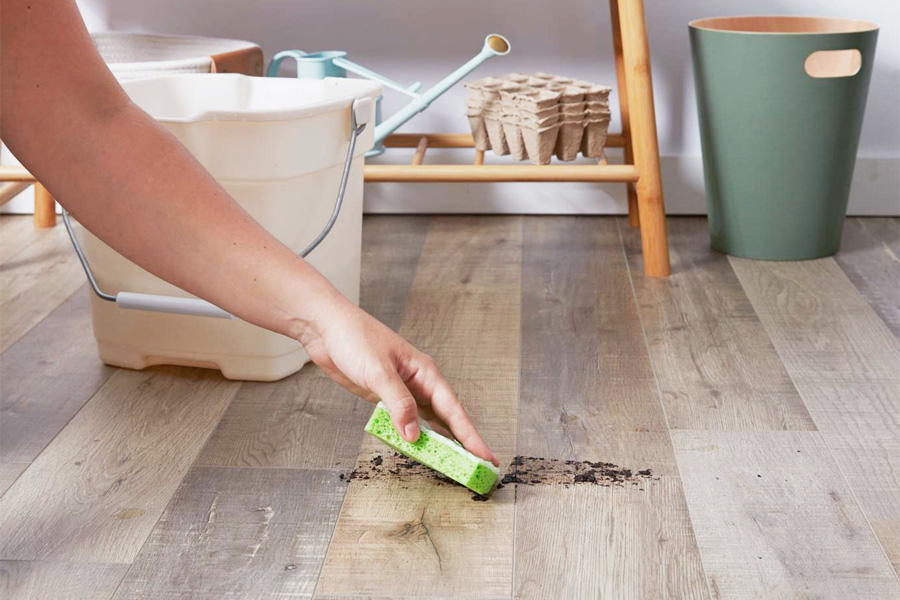
Spills are wiped up promptly
-
Engineered hardwood is used in kitchens or basements
-
Proper installation includes moisture barriers
Avoid prolonged exposure to water, not the material itself.
Myth 4: Hardwood Floors Are Always Expensive
Cost is a major concern, and many people assume hardwood is automatically out of reach.
Reality:
Hardwood flooring comes in a wide price range:
-
Domestic wood species are often budget-friendly
-
Engineered hardwood typically costs less than solid wood
-
Long-term value offsets initial investment
Because hardwood lasts so long, it often costs less over time than replacing cheaper flooring options.
Myth 5: Dark Hardwood Floors Are Impossible to Maintain
Dark floors have a reputation for showing every speck of dust and scratch.
Reality:
While dark floors do highlight contrast, maintenance isn’t as difficult as believed:
-
High-quality finishes reduce visible dust
-
Microfiber mops simplify cleaning
-
Small imperfections blend naturally over time
Every floor color has trade-offs, not deal-breakers.
Myth 6: Hardwood Floors Can’t Be Repaired
Some homeowners think damage means total replacement.
Reality:
Hardwood floors are one of the most repairable flooring types:
-
Scratches can often be buffed out
-
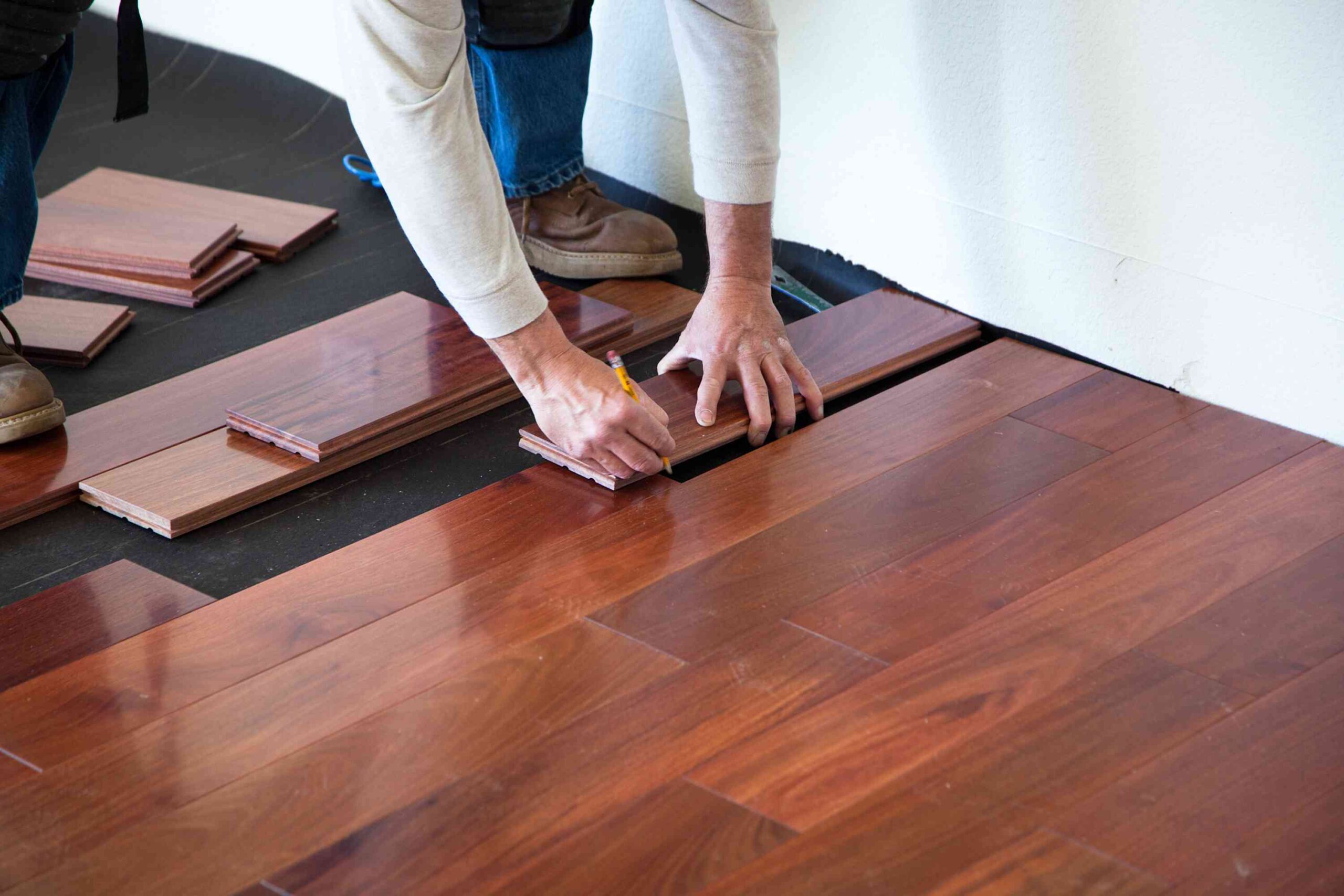
Boards can be replaced individually
-
Floors can be refinished multiple times
This repair flexibility is one reason hardwood retains its value.
Myth 7: All Hardwood Flooring Is the Same
Hardwood is often treated as a single category, but variations matter.
Reality:
Hardwood flooring differs by:
-
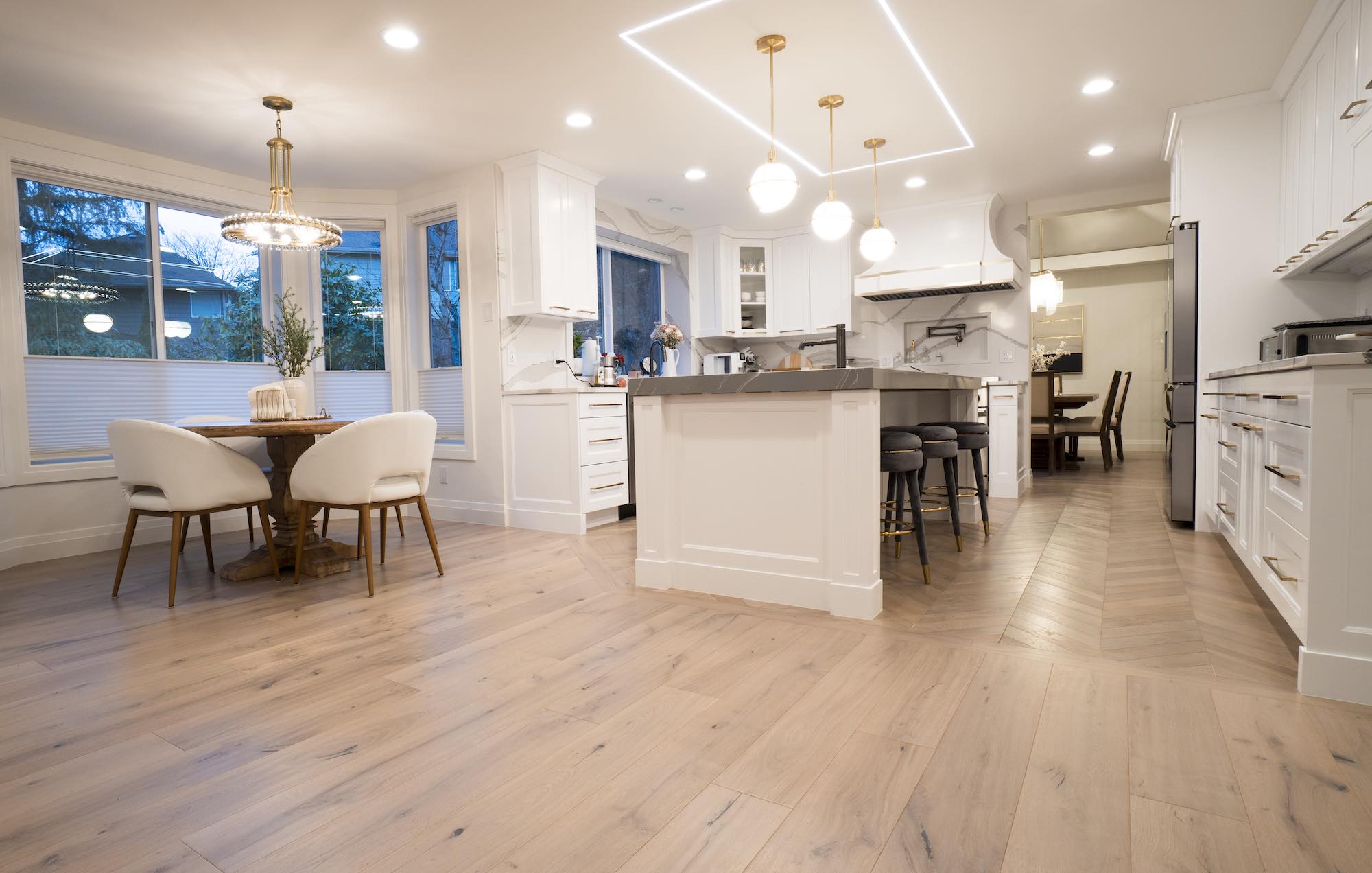
Species and grain pattern
-
Solid vs. engineered construction
-
Finish type and plank width
Understanding these differences helps homeowners choose flooring that truly fits their lifestyle.
Why These Myths Still Exist
Many misconceptions come from outdated information or experiences with older flooring products. Today’s hardwood floors benefit from advanced finishes, better installation methods, and improved manufacturing, making them far more versatile than their reputation suggests.
Final Thoughts
Believing hardwood flooring myths can limit your options and lead to unnecessary compromises. When chosen thoughtfully and cared for properly, hardwood floors remain one of the most reliable, attractive, and long-lasting flooring solutions available.
Frequently Asked Questions
1. How long does hardwood flooring typically last?
With proper maintenance, hardwood floors can last 50 years or more.
2. Is engineered hardwood considered real wood?
Yes, it features a real hardwood top layer bonded to a stable core.
3. Can hardwood flooring increase home resale value?
Hardwood floors are often seen as a premium feature and can improve resale appeal.
4. Do hardwood floors work with radiant heating systems?
Engineered hardwood is generally compatible when installed correctly.
5. How often should hardwood floors be refinished?
Most floors only need refinishing every 10–20 years, depending on wear.
6. Are wide plank hardwood floors harder to maintain?
No, maintenance is similar; installation quality matters more than plank width.
7. What’s the best way to clean hardwood floors daily?
Dry dusting or light damp mopping with a wood-safe cleaner works best.