Selecting the right wood species is one of the most important decisions when installing new flooring. The type of wood you choose directly affects durability, appearance, maintenance needs, and lifespan. A well-chosen species can last decades, while the wrong one may show wear far sooner than expected. This guide breaks down the key considerations to help you make a confident, long-term investment.
Why Wood Species Matters for Flooring
Not all wood behaves the same under daily use. Density, grain structure, and natural hardness determine how well a floor resists dents, scratches, and moisture-related issues.
Choosing the right species ensures:
-
Better resistance to foot traffic
-
Long-term structural stability
-
Consistent visual appeal over time
-
Lower repair and replacement costs
Understanding Wood Hardness and Durability
The Janka hardness rating measures how resistant a wood species is to denting and wear. Higher ratings generally mean better durability, especially in busy households.
Key durability factors include:
-
Hardness level – resistance to dents and scratches
-
Grain pattern – tighter grains tend to wear more evenly
-
Natural oils – help resist moisture and pests
Popular Wood Species for Long-Lasting Floors
Oak (Red and White)
Oak remains one of the most reliable flooring options due to its balanced hardness and timeless appearance.
Why oak performs well:
-
Strong resistance to wear
-
Easy to refinish multiple times
-
Works with traditional and modern interiors
Maple
Maple offers a clean, uniform grain and excellent durability.
Best suited for:
-
High-traffic areas
-
Contemporary or minimalist designs
-
Homes needing light-colored flooring that hides wear
Hickory
Hickory is among the hardest domestic wood species available.
Key benefits:
-
Exceptional impact resistance
-
Dramatic grain variation
-
Ideal for rustic or farmhouse styles
Walnut
Walnut provides rich color and elegance, though it is softer than other hardwoods.
Consider walnut if you value:
-
Deep, dark tones
-
Sophisticated aesthetics
-
Moderate foot traffic environments
Exotic Hardwoods
Species like teak or Brazilian cherry offer impressive hardness and striking visuals.
Things to keep in mind:
-
Higher material cost
-
May require specialized installation
-
Color can darken significantly over time
Matching Wood Species to Your Lifestyle
Your daily routine should heavily influence your flooring choice.
Consider these scenarios:
-
Homes with pets: Choose harder woods like hickory or maple
-
Families with children: Durable, easy-to-refinish options such as oak
-
Low-traffic rooms: Softer woods like walnut can still perform well
-
Humidity-prone areas: Engineered wood with stable core layers is often safer
Solid vs. Engineered Wood Floors
While species selection is crucial, construction type also affects longevity.
Solid wood flooring
-
Made from a single piece of wood
-
Can be refinished many times
-
Sensitive to moisture and temperature changes
Engineered wood flooring
-
Layered construction with real wood surface
-
Greater dimensional stability
-
Suitable for basements and radiant heating systems
Maintenance and Longevity Considerations
Even the hardest wood benefits from proper care.
To extend floor life:
-
Use furniture pads to prevent dents
-
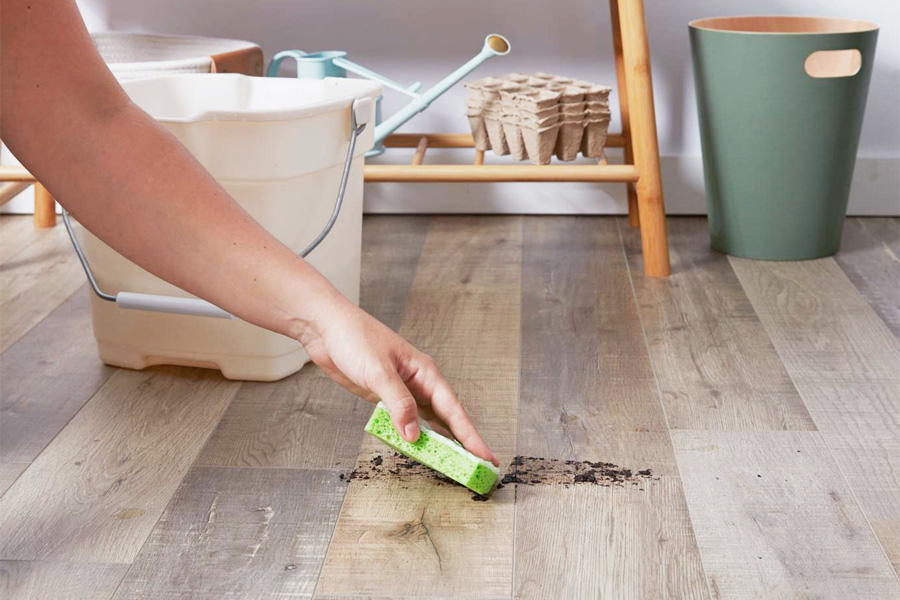
Clean spills promptly
-
Maintain consistent indoor humidity
-
Refinish when wear becomes visible rather than waiting too long
Environmental and Sustainability Factors
Long-lasting floors should also be responsibly sourced.
Look for:
-
Sustainably harvested wood
-
Certified forestry practices
-
Species that regenerate efficiently
Durable flooring that lasts longer reduces environmental impact by limiting replacements.
Conclusion
Choosing the right wood species for long-lasting floors requires balancing durability, aesthetics, lifestyle demands, and environmental responsibility. By understanding how different woods perform and where they work best, you can install flooring that remains beautiful and functional for generations.
Frequently Asked Questions
1. Which wood species lasts the longest for flooring?
Harder species like hickory, maple, and certain exotic hardwoods tend to last the longest when properly maintained.
2. Is harder wood always better for floors?
Not necessarily. While hardness improves durability, softer woods may be suitable for low-traffic areas and offer unique visual appeal.
3. Can softer woods still be long-lasting?
Yes, with proper care and placement in low-impact areas, softer species can perform well over time.
4. Does wood species affect how often floors need refinishing?
Yes. Harder woods typically show wear more slowly, reducing how often refinishing is required.
5. Are engineered wood floors less durable than solid wood?
Engineered wood can be just as durable and is often more stable in humid conditions, though refinishing options may be limited.
6. How does climate affect wood species selection?
Climate impacts wood movement. Stable species or engineered constructions work best in areas with fluctuating humidity.
7. Is it worth investing in premium wood species?
For long-term homes, higher-quality species often provide better durability, aesthetics, and resale value.