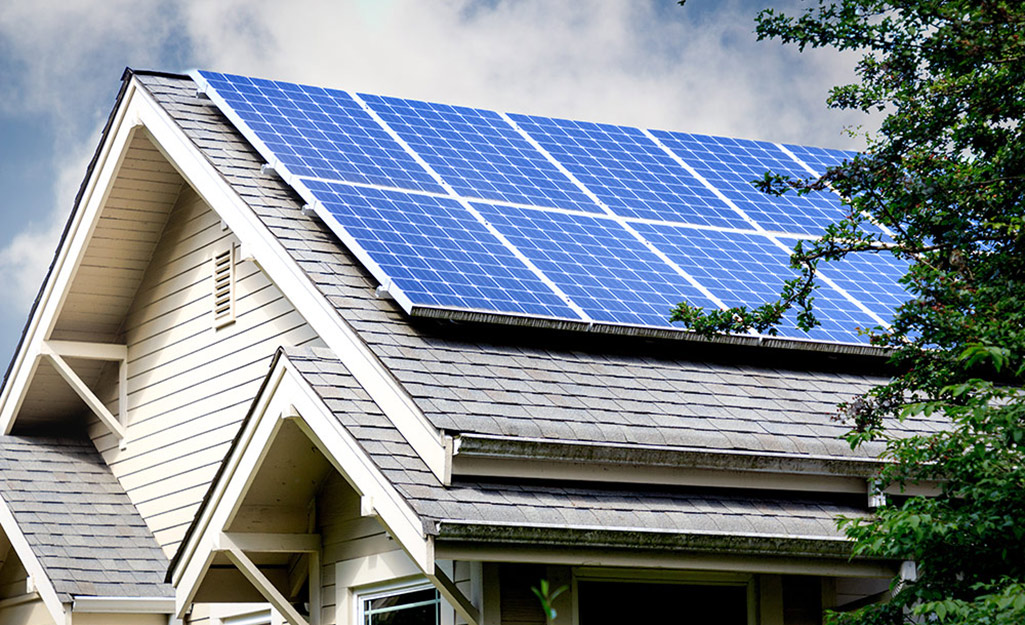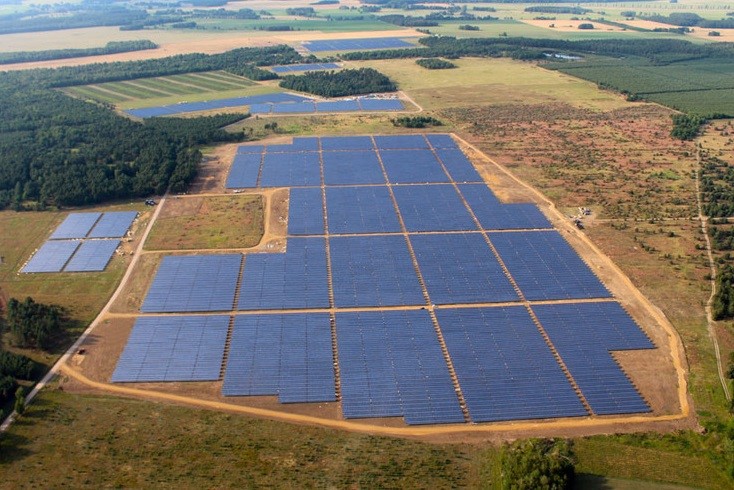
Solar energy has become one of the most reliable and sustainable solutions for meeting today’s growing electricity demands. By harnessing sunlight, solar power delivers clean energy while reducing dependence on fossil fuels and lowering long-term energy costs for households and businesses alike.
Understanding Solar Energy
Solar energy is generated by capturing sunlight and converting it into usable electricity or heat. The most widely used method relies on photovoltaic (PV) technology, where solar cells produce electricity when exposed to sunlight.
Key features of solar energy include:
-
Renewable source available across the globe
-
Environmentally friendly with minimal emissions
-
Flexible deployment, from rooftops to large-scale solar farms
How Solar Power Generates Electricity
Solar power systems work through a straightforward process:
-
Sunlight strikes the solar panels
-
PV cells convert light into direct current (DC)
-
An inverter changes DC into usable alternating current (AC)
-
Power is consumed, stored, or exported to the grid
This simplicity contributes to solar systems being efficient, durable, and low maintenance.
Main Types of Solar Systems
Grid-Connected Solar
These systems operate alongside the utility grid.
-
Reduced installation costs
-
Ability to send excess power back to the grid
-
Limited backup during outages
Off-Grid Solar
Designed for locations without grid access.
-
Uses battery storage exclusively
-
Ideal for rural or remote areas
-
Higher upfront investment
Hybrid Solar Systems
Combines grid access with battery storage.
-
Backup power during outages
-
Better energy control
-
Increasingly popular for residential use
Advantages of Solar Energy
Solar power offers multiple benefits beyond clean electricity:
-
Lower monthly utility bills
-
Reduced carbon footprint
-
Energy independence
-
Long system lifespan
-
Improved property value
These advantages make solar an attractive long-term investment.
Limitations to Consider
While solar energy is highly effective, some challenges remain:
-
Energy production depends on sunlight availability
-
Initial installation costs can be significant
-
Battery storage may be needed for nighttime use
-
Requires adequate installation space
Ongoing technological improvements continue to address these limitations.
Solar Applications in Daily Life
Solar energy is used across various sectors:
-
Residential rooftop installations
-
Commercial and industrial buildings
-
Agricultural water pumping
-
Remote power supply systems
Both homeowners and businesses benefit from reduced operating costs and increased sustainability.
The Evolving Future of Solar Power
The solar industry continues to innovate with higher efficiency panels, smarter inverters, and advanced energy storage solutions. As costs decline and technology improves, solar energy is expected to become a dominant global power source supporting long-term energy security.
Frequently Asked Questions (FAQ)
1. How efficient are modern solar panels?
Most modern panels operate between 18% and 23% efficiency, with ongoing improvements each year.
2. Can solar panels work during winter?
Yes, solar panels function in winter as long as sunlight reaches them, often performing well in cold temperatures.
3. Is battery storage mandatory for solar systems?
No, batteries are optional for grid-connected systems but essential for off-grid setups.
4. How much roof space is needed for solar panels?
An average home system typically requires 200–400 square feet, depending on energy needs.
5. Do solar panels require frequent cleaning?
Cleaning is minimal and usually needed only a few times per year.
6. Can solar energy support electric vehicles?
Yes, solar systems can generate electricity to charge electric vehicles at home.
7. Does installing solar increase home value?
Homes with solar installations often sell faster and at higher prices compared to non-solar properties.