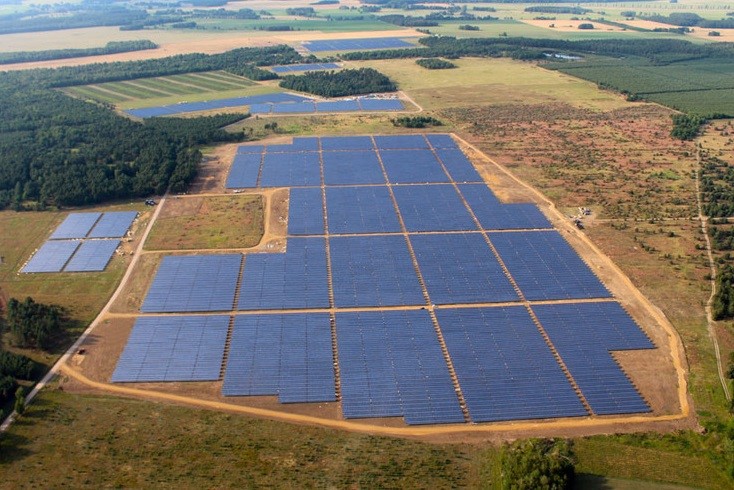
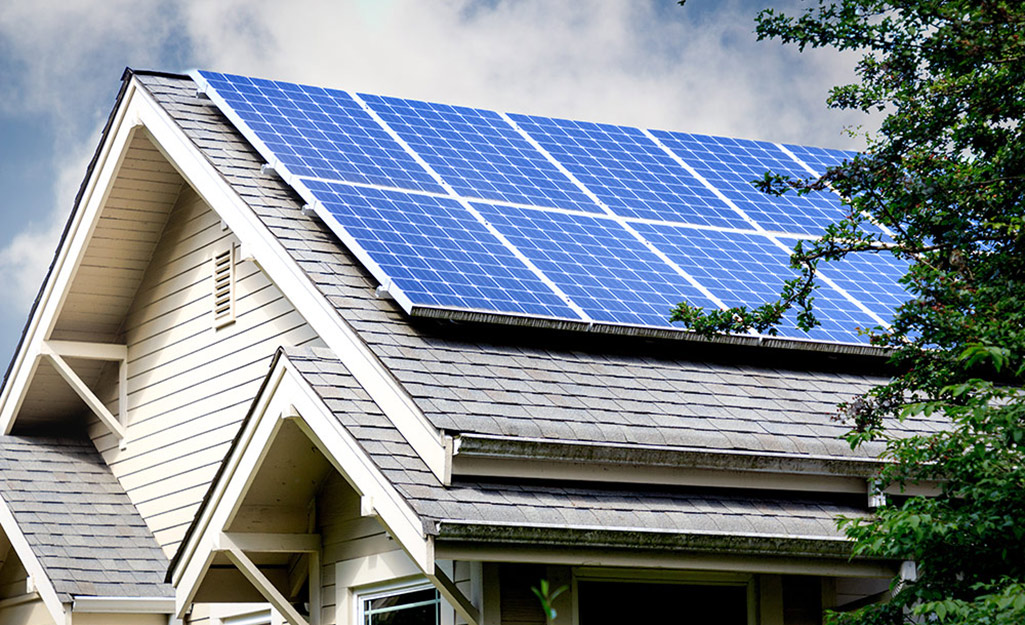
Solar power has rapidly transformed from an alternative option into a core energy solution worldwide. As electricity demand rises and environmental concerns grow, solar energy stands out for its reliability, scalability, and long-term economic benefits. It enables homes, businesses, and industries to generate power directly from sunlight while reducing reliance on conventional energy sources.
What Solar Energy Really Means
Solar energy is the use of sunlight to produce electricity or heat. Most modern systems rely on photovoltaic (PV) panels, which convert sunlight into electrical energy through semiconductor materials.
Core attributes of solar energy include:
-
Unlimited availability as long as the sun shines
-
Zero fuel costs once installed
-
Low environmental impact
-
Adaptability for small and large installations
How Solar Energy Is Converted into Electricity
The electricity generation process follows a clear sequence:
-
Solar panels absorb sunlight
-
PV cells produce direct current (DC)
-
Inverters convert DC into alternating current (AC)
-
Power is used instantly, stored, or shared with the grid
Because there are no moving parts, solar systems are known for durability and consistent performance.
Common Solar System Configurations
On-Grid Solar Systems
Connected directly to the public electricity grid.
-
Lower installation cost
-
No need for battery storage
-
Grid dependence during outages
Off-Grid Solar Systems
Operate independently from utility providers.
-
Requires battery banks
-
Suitable for remote or rural areas
-
Complete energy autonomy
Hybrid Solar Systems
A balanced combination of grid connection and storage.
-
Power backup during blackouts
-
Greater control over energy use
-
Increasingly popular in urban homes
Key Benefits of Solar Power
Solar energy delivers value beyond sustainability:
-
Significant reduction in electricity expenses
-
Protection against rising energy prices
-
Minimal maintenance requirements
-
Extended system lifespan
-
Positive environmental impact
These advantages make solar power a practical long-term investment.
Challenges Associated with Solar Energy
Despite its strengths, solar power has certain limitations:
-
Power generation varies with weather and daylight
-
Initial setup costs can be high
-
Energy storage adds additional expense
-
Installation space must meet sunlight exposure needs
Ongoing innovations continue to improve efficiency and affordability.
Everyday Uses of Solar Energy
Solar technology supports a wide range of applications:
-
Residential rooftops
-
Commercial and industrial facilities
-
Agricultural irrigation systems
-
Remote communication towers
-
Backup power solutions
Its flexibility makes solar suitable for diverse energy needs.
The Long-Term Outlook for Solar Energy
The future of solar power is driven by advanced panel efficiency, smart energy management, and improved battery storage. As technology progresses and adoption expands, solar energy is expected to play a central role in global energy security and climate goals.
Frequently Asked Questions (FAQ)
1. How long does it take to install a solar system?
Most residential systems can be installed within 1–3 days, depending on system size and site conditions.
2. Does solar energy work during power outages?
Only systems with battery storage or hybrid setups can provide power during outages.
3. Can solar panels overheat in hot climates?
Panels are designed to withstand high temperatures, though extreme heat may slightly reduce efficiency.
4. Is solar energy suitable for small homes?
Yes, systems can be customized to match both small and large energy requirements.
5. Are solar panels recyclable?
Most panel components, including glass and metal, are recyclable at the end of their lifespan.
6. Will solar panels damage my roof?
Properly installed systems protect the roof and can even extend its lifespan.
7. How much electricity can a solar system generate?
Output depends on system size, location, and sunlight exposure, but well-designed systems can cover most daily energy needs.