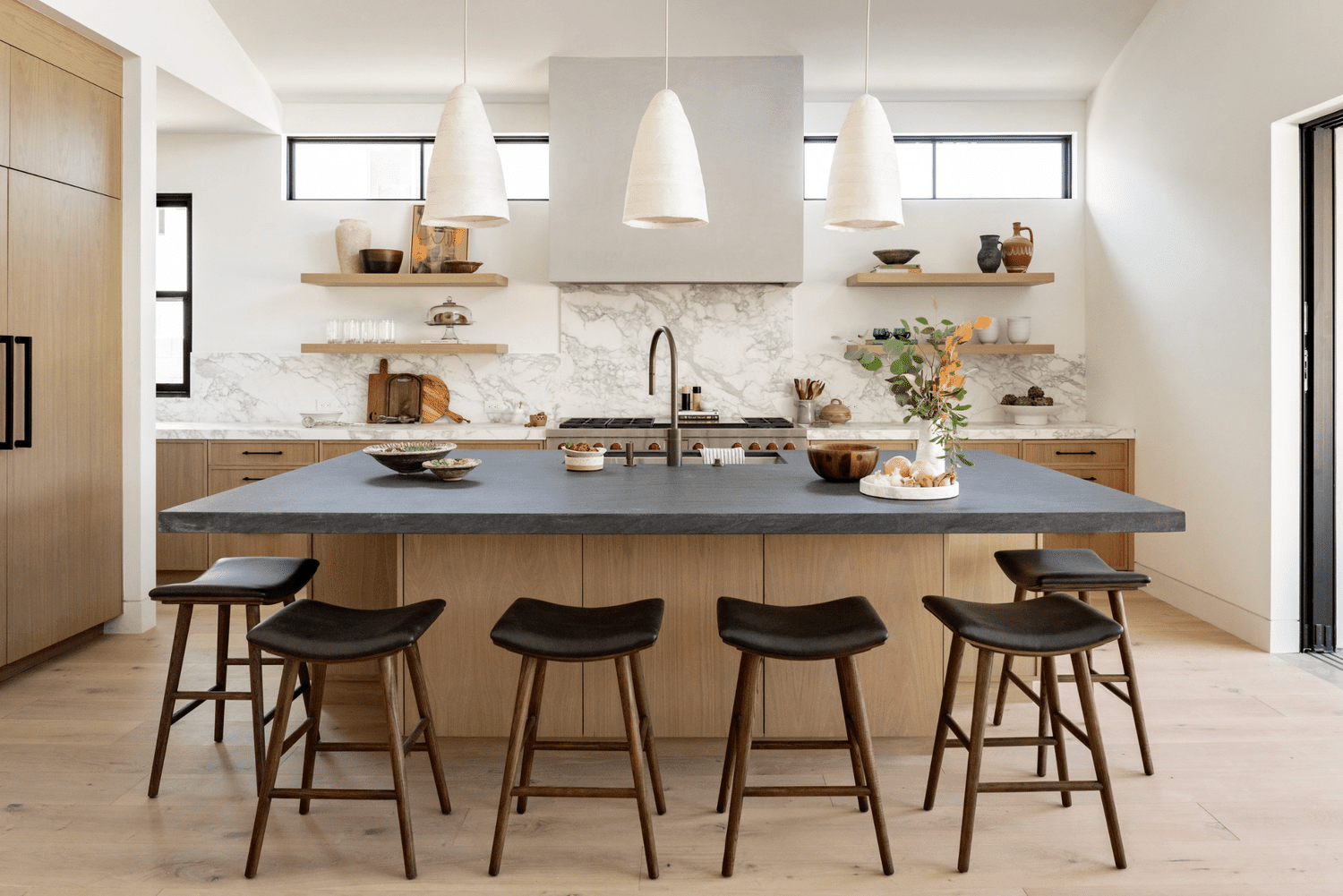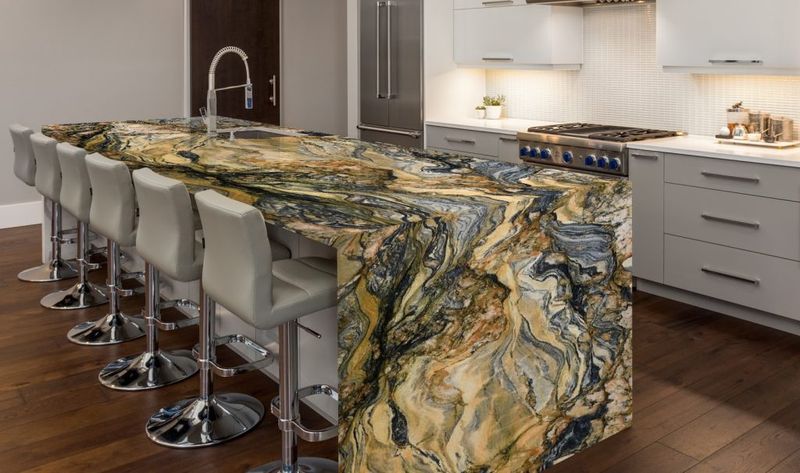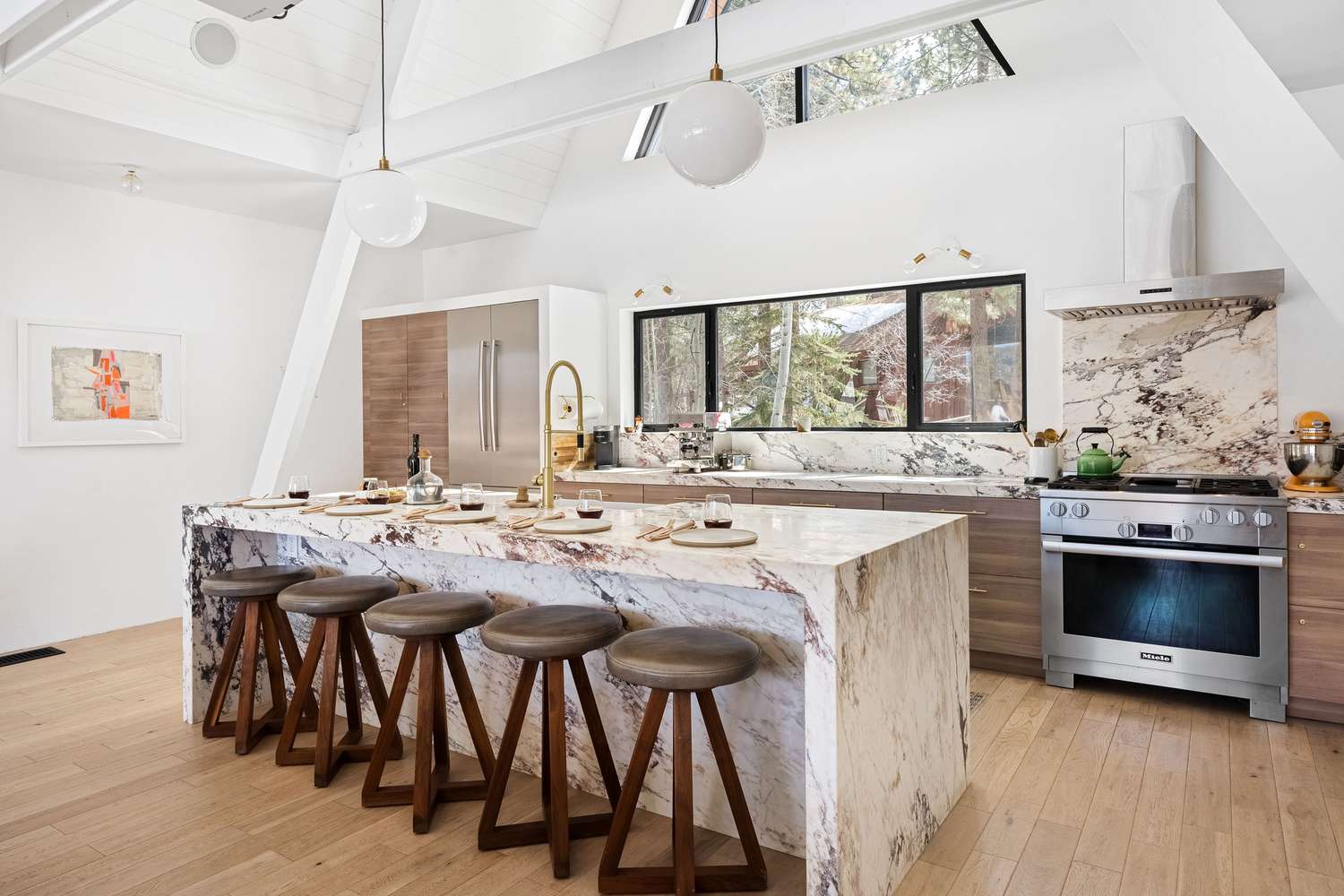
The kitchen is more than a place to prepare meals. It is a shared space where routines begin, conversations happen naturally, and creativity takes shape. From early-morning coffee rituals to late-night snacks, the kitchen quietly supports daily life while reflecting personal style and practical needs.
A well-thought-out kitchen balances functionality, comfort, and aesthetics, making it one of the most important spaces in any home.
The Purpose of a Kitchen
At its core, a kitchen serves multiple roles that go beyond cooking. It often acts as a central hub where people gather, plan, and unwind.
Key purposes include:
-
Food preparation and cooking
-
Storage for ingredients, utensils, and appliances
-
Social interaction and family bonding
-
Meal planning and organization
Modern kitchens are designed to handle all these roles efficiently without feeling crowded or overwhelming.
Essential Elements of a Functional Kitchen
A kitchen works best when its layout and components are intentionally planned. Small design choices can significantly improve usability and comfort.
Layout and Workflow
The arrangement of major zones affects how smoothly tasks flow. An efficient kitchen minimizes unnecessary movement while keeping everything within reach.
Common zones include:
-
Cooking area (stove and oven)
-
Cleaning area (sink and dishwasher)
-
Storage area (refrigerator and pantry)
Storage Solutions
Smart storage keeps the kitchen organized and clutter-free, even in smaller spaces.
Popular options:
-
Deep drawers for pots and pans
-
Vertical cabinets for trays and cutting boards
-
Pull-out shelves for easy access
-
Wall-mounted racks to save counter space
Lighting
Lighting impacts both safety and mood. A good kitchen uses layered lighting to suit different tasks.
Types of lighting:
-
Task lighting for food prep
-
Ambient lighting for overall brightness
-
Accent lighting to highlight design features
Kitchen Design Styles
Kitchen design reflects personal taste while supporting practical needs. Each style brings a distinct feel to the space.
Modern Kitchens
Modern kitchens focus on simplicity and efficiency. Clean lines, neutral colors, and sleek finishes define this style.
Common features:
-
Handle-less cabinets
-
Integrated appliances
-
Minimal décor
Traditional Kitchens
Traditional kitchens feel warm and familiar, often using natural materials and classic details.
Typical elements include:
-
Wooden cabinets
-
Decorative moldings
-
Soft, neutral color palettes
Minimalist Kitchens
Minimalist kitchens emphasize less clutter and more purpose. Every item has a clear function.
Design highlights:
-
Open spaces
-
Hidden storage
-
Limited color schemes
Keeping Your Kitchen Organized
An organized kitchen saves time and reduces stress. Simple habits can make a noticeable difference.
Helpful organization tips:
-
Store frequently used items at eye level
-
Group similar items together
-
Clear countertops of non-essential objects
-
Regularly check and discard expired food
Consistency matters more than perfection when maintaining order.
Maintaining a Clean and Healthy Kitchen
Cleanliness in the kitchen directly impacts health and food safety. Regular upkeep prevents buildup and keeps the space inviting.
Basic maintenance practices:
-
Wipe surfaces daily
-
Clean spills immediately
-
Wash dishcloths and sponges often
-
Empty trash regularly
Good ventilation also helps reduce odors and moisture buildup.
The Kitchen as a Lifestyle Space
Today’s kitchens often blend with dining and living areas, turning them into lifestyle spaces. This openness encourages interaction and makes the kitchen feel less isolated.
Whether used for cooking, working, or socializing, the kitchen adapts to changing needs while remaining central to home life.
Frequently Asked Questions
What is the most important feature of a kitchen?
Functionality is the most important feature. A kitchen should support efficient movement, storage, and safe food preparation.
How can a small kitchen feel bigger?
Using light colors, open shelving, proper lighting, and clutter-free counters can make a small kitchen feel more spacious.
How often should a kitchen be deep cleaned?
A deep clean is recommended every three to four months, depending on usage and household size.
What materials are best for kitchen countertops?
Popular choices include quartz, granite, and stainless steel due to their durability and ease of maintenance.
Is an open kitchen better than a closed one?
It depends on lifestyle. Open kitchens encourage interaction, while closed kitchens offer better noise and odor control.
How can I improve kitchen storage without remodeling?
Adding drawer organizers, shelf risers, hooks, and wall-mounted storage can greatly improve space without major changes.
What makes a kitchen comfortable to work in?
Good lighting, ergonomic counter height, proper ventilation, and an organized layout contribute to comfort and efficiency.