The kitchen is one of the most active spaces in any home. It is where meals come together, routines take shape, and simple moments turn meaningful. Beyond cooking, the kitchen supports daily habits, creativity, and connection, making it a vital part of modern living.
A thoughtfully designed kitchen combines practical use, visual appeal, and comfort, ensuring the space works effortlessly for everyone who uses it.
The Role of the Kitchen in Daily Life
The kitchen plays multiple roles throughout the day. From preparing breakfast to cleaning up after dinner, it supports a wide range of activities without drawing attention to itself.
Key roles include:
-
Preparing and cooking food
-
Storing groceries and cookware
-
Sharing meals and conversations
-
Planning daily routines
As lifestyles evolve, kitchens continue to adapt to changing needs and habits.
Core Components of an Efficient Kitchen
An efficient kitchen is built around smart planning rather than size. When essential elements work together, everyday tasks become easier and faster.
Practical Layout
A well-planned layout reduces unnecessary movement and keeps frequently used areas close together.
Important zones:
-
Cooking zone (stove and oven)
-
Washing zone (sink and dishwasher)
-
Storage zone (refrigerator and cabinets)
Keeping these zones connected improves overall workflow.
Smart Storage Options
Effective storage helps maintain order and maximizes available space.
Useful storage ideas:
-
Pull-out drawers for cookware
-
Tall cabinets for bulk items
-
Corner shelves to reduce wasted space
-
Wall hooks for utensils
Smart storage keeps countertops clear and organized.
Lighting and Visibility
Lighting affects both safety and atmosphere. A kitchen benefits from a combination of light sources.
Lighting types:
-
Task lighting for food preparation
-
Overhead lighting for general use
-
Accent lighting to enhance design features
Balanced lighting makes the kitchen more inviting and functional.
Popular Kitchen Design Approaches
Kitchen design often reflects personal preferences while supporting daily use.
Contemporary Kitchens
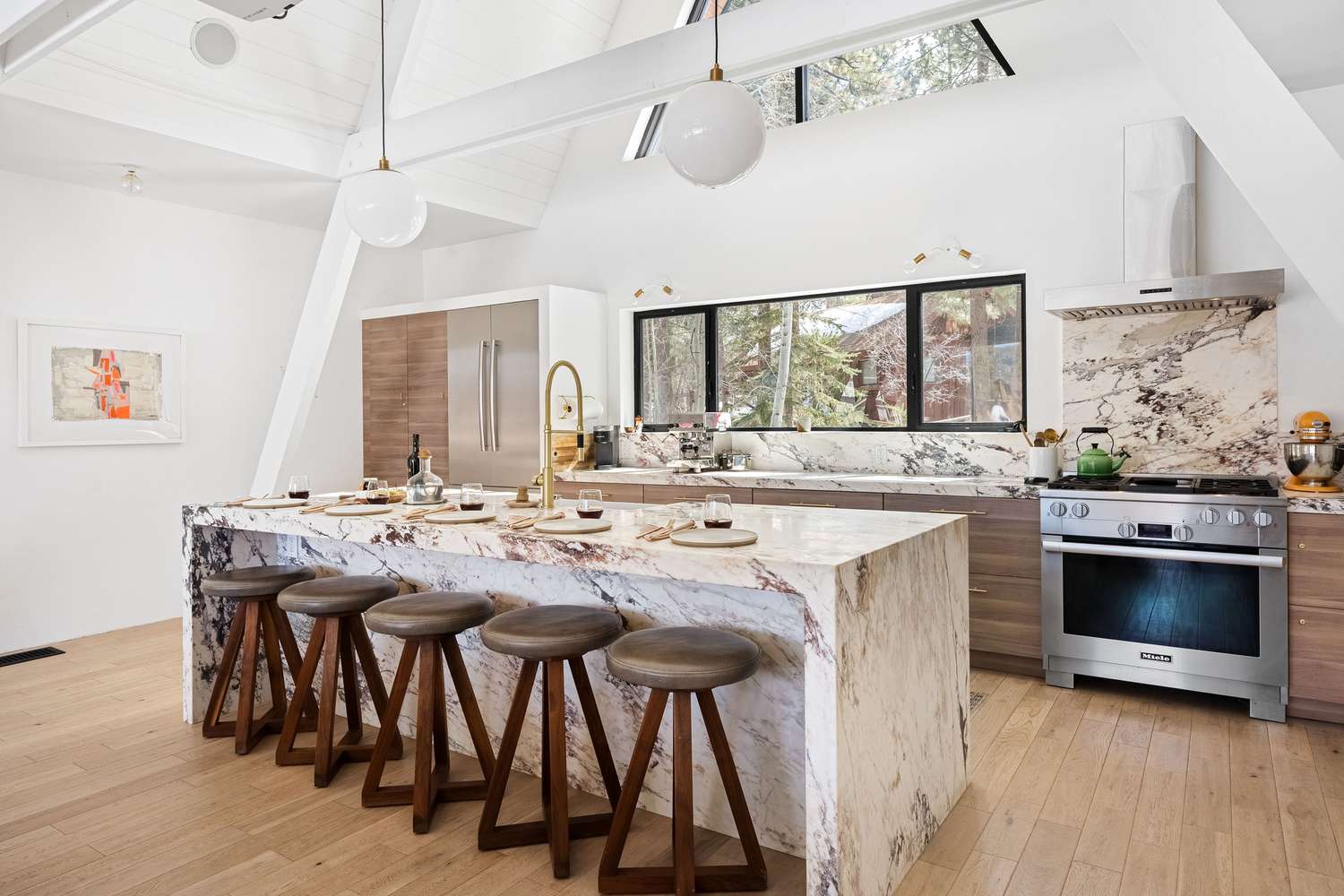
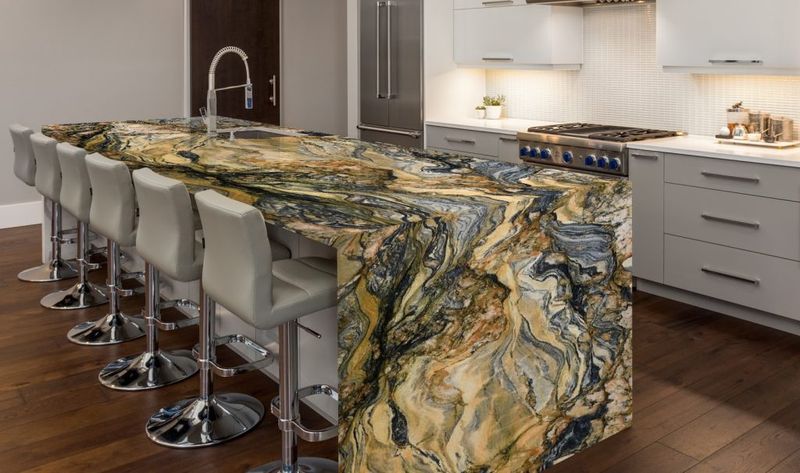
Contemporary kitchens focus on clean lines and modern finishes. They often feature neutral tones and streamlined surfaces.
Common characteristics:
-
Sleek cabinetry
-
Integrated appliances
-
Minimal visual clutter
Classic Kitchens
Classic kitchens emphasize warmth and familiarity. Natural materials and timeless details define this style.
Typical elements:
-
Wooden cabinets
-
Soft color palettes
-
Decorative accents
Simple and Minimal Kitchens
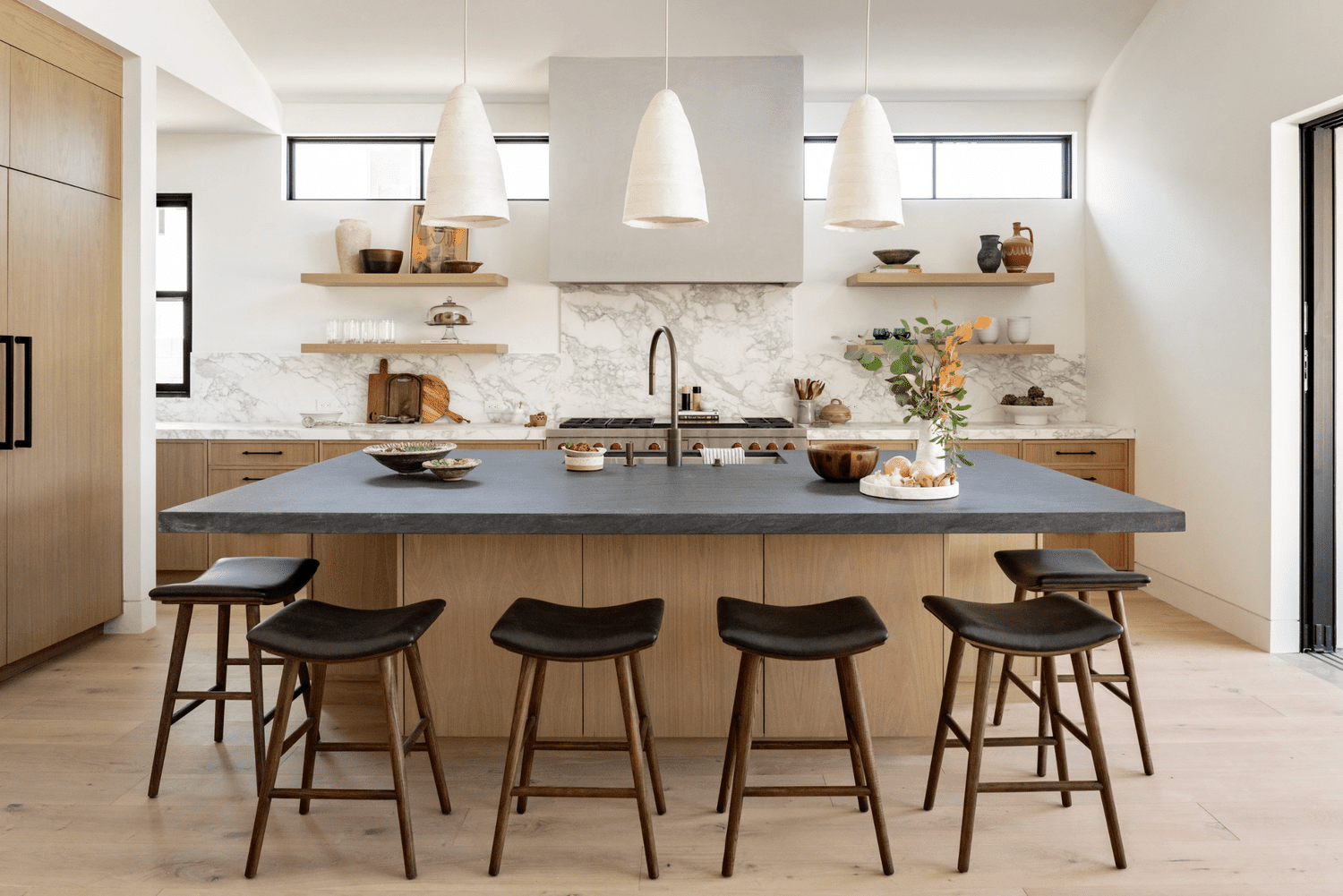
Minimal kitchens focus on essentials only. Every item has a purpose, creating a calm and uncluttered space.
Design traits:
-
Open layouts
-
Hidden storage
-
Limited color combinations
Keeping the Kitchen Organized
Organization improves efficiency and reduces daily stress. Simple habits can keep the kitchen neat without extra effort.
Helpful tips:
-
Store frequently used items within easy reach
-
Group similar items together
-
Clear surfaces after each use
-
Review pantry items regularly
Consistency helps maintain long-term organization.
Cleanliness and Kitchen Care
A clean kitchen supports hygiene and enhances the overall experience of cooking and dining. Regular maintenance prevents buildup and unpleasant odors.
Basic care practices:
-
Wipe counters daily
-
Clean spills immediately
-
Replace sponges and cloths often
-
Empty trash frequently
Proper ventilation also plays an important role in maintaining air quality.
The Kitchen as a Social Space
Modern kitchens often connect with dining or living areas, creating a shared environment. This layout encourages interaction while meals are prepared and enjoyed.
Whether used for cooking, working, or gathering, the kitchen remains a central and adaptable space in the home.
Frequently Asked Questions
What makes a kitchen truly functional?
A functional kitchen has a practical layout, sufficient storage, good lighting, and easy access to essential tools.
How can I organize my kitchen without spending much?
Using drawer dividers, shelf organizers, and wall hooks can improve organization without major expenses.
Are open kitchens suitable for all homes?
Open kitchens work well for social households, but closed kitchens may be better for controlling noise and cooking smells.
How often should kitchen surfaces be cleaned?
High-use surfaces should be cleaned daily, while deeper cleaning can be done weekly.
What is the best way to store kitchen tools?
Frequently used tools should be stored near work areas, while rarely used items can go in higher cabinets.
How can lighting improve a kitchen’s usability?
Proper lighting reduces eye strain, improves safety, and makes food preparation easier.
Can a kitchen be stylish and practical at the same time?
Yes, combining smart design with quality materials allows a kitchen to be both attractive and highly functional.