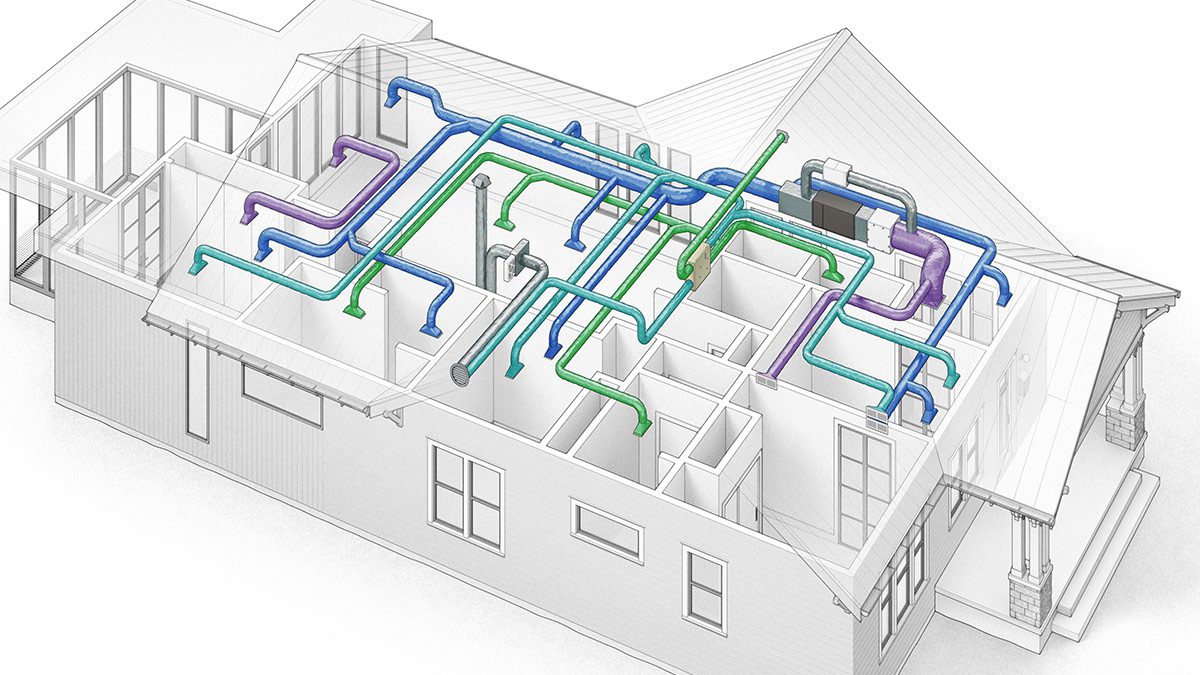
Heating, ventilation, and air conditioning systems are undergoing a rapid transformation. Rising energy costs, stricter environmental regulations, and the demand for smarter buildings are driving innovation across the HVAC industry. Next-generation HVAC systems are no longer just about temperature control—they are becoming intelligent, efficient, and deeply integrated with sustainable building design.
Below is a detailed look at the HVAC technologies shaping the future of residential, commercial, and industrial climate control.
Smart HVAC Systems with AI and IoT Integration
Smart HVAC systems are redefining how buildings manage indoor environments. By combining artificial intelligence (AI) with Internet of Things (IoT) sensors, these systems adapt in real time to occupant behavior and environmental conditions.
Key capabilities include:
-
Predictive maintenance that detects faults before breakdowns occur
-
Adaptive temperature control based on occupancy and usage patterns
-
Remote monitoring and automation through mobile or cloud-based platforms
AI-driven HVAC solutions reduce energy waste while improving comfort, making them particularly valuable in large commercial buildings and smart homes.
Variable Refrigerant Flow (VRF) Systems
Variable Refrigerant Flow systems continue to gain momentum due to their flexibility and energy efficiency. Unlike traditional systems, VRF technology precisely controls refrigerant flow to multiple indoor units.
Why VRF systems stand out:
-
Simultaneous heating and cooling in different zones
-
Minimal energy loss through inverter-driven compressors
-
Scalable design, ideal for mixed-use buildings
These systems are increasingly used in hotels, office towers, and healthcare facilities where zoning precision is critical.
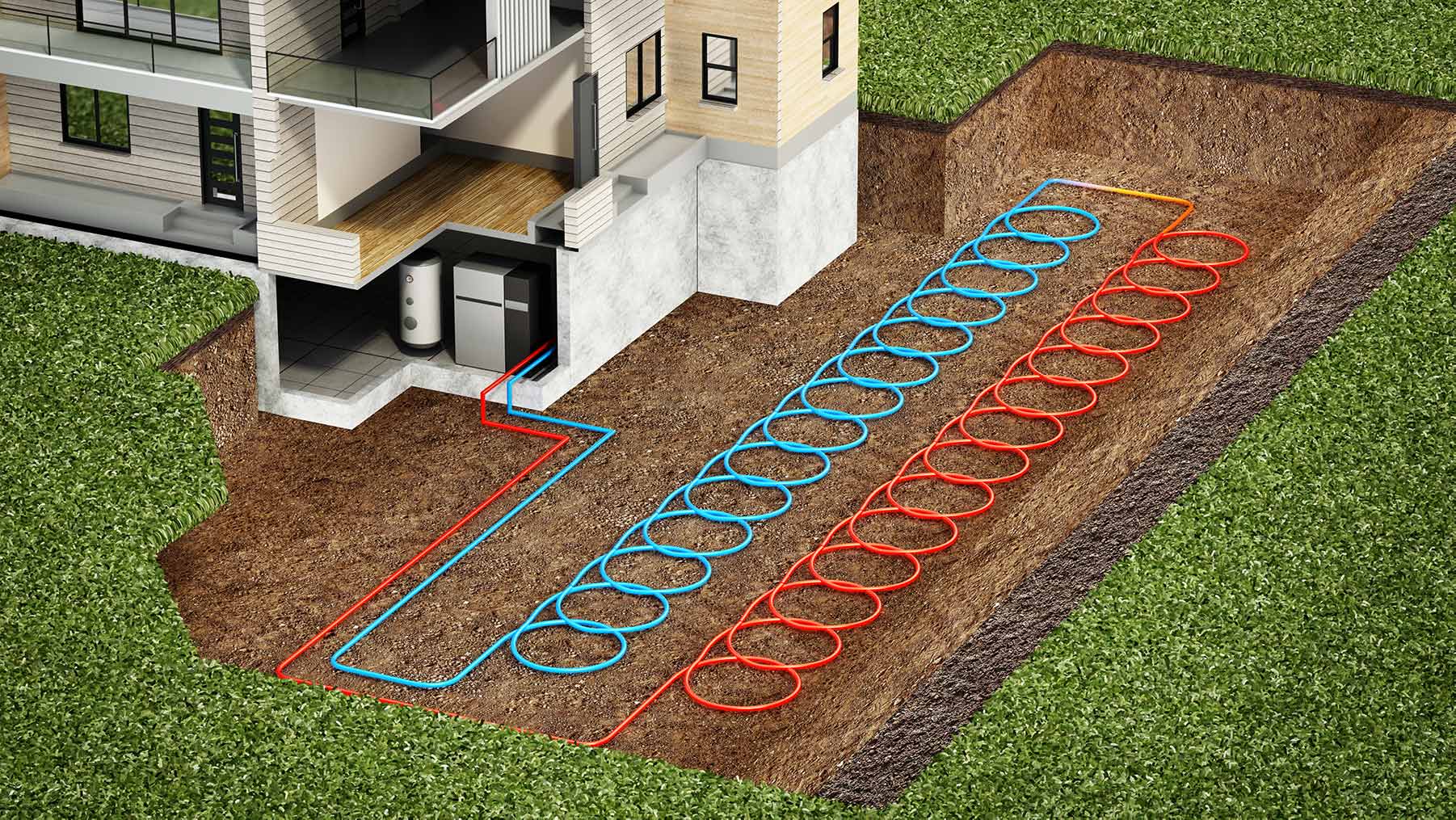
Geothermal Heat Pump Systems
Geothermal HVAC systems leverage the stable temperature beneath the earth’s surface to provide heating and cooling. While installation costs are higher upfront, long-term performance makes them a compelling next-generation solution.
Core advantages:
-
Exceptional energy efficiency year-round
-
Low operating costs after installation
-
Reduced carbon footprint compared to fossil-fuel systems
As governments expand incentives for renewable energy, geothermal HVAC adoption is expected to accelerate.
Hybrid and Dual-Fuel HVAC Systems
Hybrid HVAC systems combine electric heat pumps with traditional gas furnaces. These systems intelligently switch energy sources depending on outdoor temperature and utility rates.
Benefits include:
-
Optimized energy usage in fluctuating climates
-
Lower heating costs during extreme cold
-
Improved reliability through dual-system operation
Hybrid designs are especially popular in regions transitioning toward electrification without fully abandoning existing infrastructure.
Low-Global-Warming-Potential Refrigerants
Environmental regulations are driving the HVAC industry away from high-GWP refrigerants. Next-generation systems increasingly rely on alternatives that reduce climate impact without sacrificing performance.
Emerging refrigerant trends:
-
Natural refrigerants like CO₂ and ammonia
-
HFO-based refrigerants with significantly lower GWP
-
Improved system safety through advanced leak detection
These refrigerants are shaping future HVAC designs across both residential and industrial applications.
Hydrogen-Ready and Electrified HVAC Systems
As global energy grids decarbonize, HVAC manufacturers are preparing systems for alternative fuels. Hydrogen-ready boilers and fully electrified HVAC units represent a forward-looking shift.
What makes these systems future-proof:
-
Compatibility with hydrogen blending
-
Zero on-site emissions in electric-only configurations
-
Alignment with net-zero building goals
Although still emerging, these technologies are gaining attention in regions investing heavily in clean energy infrastructure.
Advanced Indoor Air Quality (IAQ) Solutions
Next-generation HVAC systems increasingly prioritize indoor air quality alongside temperature control. Health-conscious design has become a core feature rather than an add-on.
Modern IAQ enhancements include:
-
HEPA and activated carbon filtration
-
UV-C air disinfection technologies
-
Real-time air quality monitoring
These features are particularly valuable in schools, hospitals, and high-occupancy commercial spaces.
Why Next-Generation HVAC Matters
The evolution of HVAC technology reflects broader changes in how buildings are designed and operated. Future-ready systems deliver measurable benefits:
-
Lower energy consumption and operating costs
-
Reduced environmental impact
-
Improved occupant comfort and health
-
Greater system intelligence and reliability
Organizations and homeowners investing in these technologies are positioning themselves for long-term efficiency and compliance.
Frequently Asked Questions (FAQ)
What makes an HVAC system “next-generation”?
Next-generation HVAC systems incorporate advanced technologies such as AI, smart sensors, low-GWP refrigerants, and renewable energy integration to improve efficiency, sustainability, and control.
Are smart HVAC systems suitable for residential homes?
Yes, smart HVAC systems are increasingly designed for homes, offering features like learning thermostats, remote control, and energy optimization.
How long does it take to see savings from geothermal HVAC systems?
While upfront costs are higher, most users begin seeing significant energy savings within 5–10 years, depending on usage and local energy prices.
Do next-generation HVAC systems require specialized maintenance?
Some advanced systems do require trained technicians, but predictive maintenance features often reduce emergency repairs and downtime.
Are low-GWP refrigerants safe for everyday use?
Yes, modern HVAC systems are engineered with safety controls and monitoring to ensure these refrigerants are used securely and efficiently.
Can next-generation HVAC systems help meet green building standards?
Absolutely. Many of these systems support compliance with energy efficiency and sustainability certifications.
Is it possible to upgrade existing HVAC systems with smart features?
In many cases, yes. Smart thermostats, sensors, and control modules can be retrofitted to enhance older HVAC installations.